
Understanding the Eternal Son of God
Augustine of Hippo Sermon
Understanding the Eternal Son of God
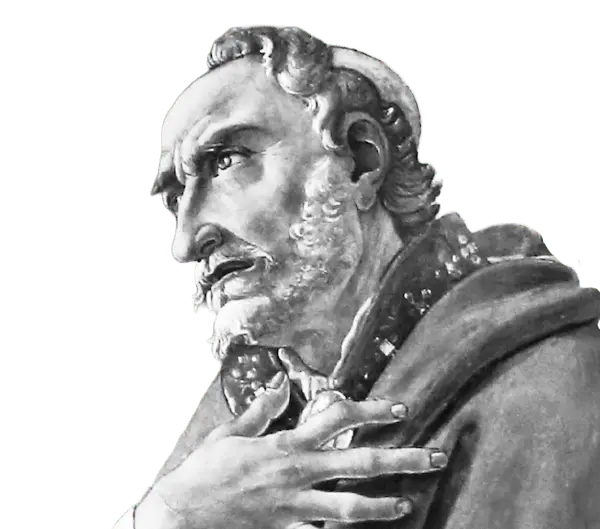
Augustine of Hippo Sermon
Understanding the Eternal Son of God
The Eternal Son: Begotten Not Made
1. All of you who are seeking many words from a mere man, understand the One Word of God: "In the beginning was the Word" (John 1:1). Now, "In the beginning God created the heaven and the earth" (Genesis 1:1). But, "The Word was," since we have heard, "In the beginning God created." Let us recognize in Him the Creator, for the Creator is the one who made, and the creation is what was made. For no created thing which was made "was" in the same way that God the Word "was"—the Word by whom all things were made, who always existed.
Now when we hear "The Word was," with whom was the Word? We understand the Father, who did not make nor create the Word, but begot Him. For, "In the beginning God created the heaven and the earth." But how did He create them? "The Word was, and the Word was with God." But what kind of Word? Did it sound and then pass away? Was it merely a thought or movement of the mind? No. Was it brought forth from memory and then spoken? No. What kind of Word then? Why do you look for many words from me? "The Word was God."
When we hear, "The Word was God," we do not create a second God. Rather, we understand the Son. For the Word is the Son of God. Look, the Son—and what is He but God? For "the Word was God." What about the Father? God, of course. If the Father is God and the Son is God, do we then have two Gods? God forbid! The Father is God, the Son is God, but the Father and the Son are One God. For the Only Son of God was not made, but born. "In the beginning God created the heaven and the earth," but the Word was from the Father.
Was the Word therefore created by the Father? No. "All things were made through Him" (John 1:3). If all things were made through Him, could He Himself have been made? Do not imagine that He, through whom you hear all things were made, was Himself made among those things. For if He were made, then not all things were made through Him—He Himself would have been made among the rest.
You might ask, "Was He made?" By whom? By Himself? Who can make himself? If He was made, how could all things have been made through Him? Consider: if you say He was made, I ask by what means, by whom? By Himself? Then He would have had to exist before He was made, so that He could make Himself. But if all things were made through Him, understand that He Himself was not made. If you can't understand this, believe so that you may understand. Faith comes first, understanding follows, as the Prophet says: "Unless you believe, you will not understand" (Isaiah 7:9).
"The Word was." Don't look for time in Him, by whom times were made. "The Word was." But you might say, "There was a time when the Word was not." That is false; nowhere do you read this. What I do read for you is, "In the beginning was the Word." What are you looking for before the beginning? If you could find anything before the beginning, that would become the beginning. Anyone who looks for something before the beginning is confused. What then does someone claim existed before the beginning? "In the beginning was the Word."
2. But you will say, "The Father both 'was' and existed before the Word." What are you looking for? "In the beginning was the Word." What you can understand, accept; don't seek what you cannot find. Nothing exists before the beginning. "In the beginning was the Word."
The Son is the Brightness of the Father. Concerning the Wisdom of the Father, which is the Son, it is said, "For He is the brightness of the Everlasting Light" (Wisdom 7:26). Are you looking for a Son without a Father? Give me a light without brightness. If there was a time when the Son did not exist, the Father was a light without brightness. How could He not be a dim light if He had no brightness? Therefore, the Father always existed, and the Son always existed. If the Father always existed, the Son always existed. Are you asking whether the Son was born? I answer: Yes, born. For He would not be a Son if not born.
When I say the Son always existed, I am saying, in fact, He was always born. And who can understand the phrase "was always born"? If you give me an eternal fire, I will show you an eternal brightness. We bless God who has given us the Holy Scriptures. Don't be blind to the brightness of the light. Brightness comes from the Light, yet the Brightness is co-eternal with the Light that produces it. The Light always existed, its Brightness always existed. The Light produced its own Brightness, but was it ever without its Brightness? Let us allow God to beget an eternal Son.
I ask you to hear of whom we are speaking; hear, pay attention, believe, understand. We are speaking of God. We confess and believe the Son is co-eternal with the Father. But you will say, "When a man begets a son, the one who begets is older, and the one who is begotten is younger." True, in the case of humans, the one who begets is older, and the one who is begotten is younger, and the son eventually grows to reach his father's strength. But why is this? Because while one grows, the other grows old. Let the father remain at the same age for a while, and as the son grows, he will catch up and be equal. But look, I give you an example to help you understand this: fire produces brightness of the same age. Among humans, you only find younger sons and older fathers; you won't find them being the same age. But as I've said, I show you brightness that is the same age as the fire that produces it.
Fire produces brightness, yet it is never without brightness. Since you see that brightness is the same age as its fire, allow God to beget a co-eternal Son. Whoever understands this, let them rejoice; whoever does not understand, let them believe. For the word of the Prophet cannot be invalidated: "Unless you believe, you will not understand."