
Valuing Eternal Life: Contrasting Temporary and Eternal Life
Augustine of Hippo Sermon
Valuing Eternal Life: Contrasting Temporary and Eternal Life
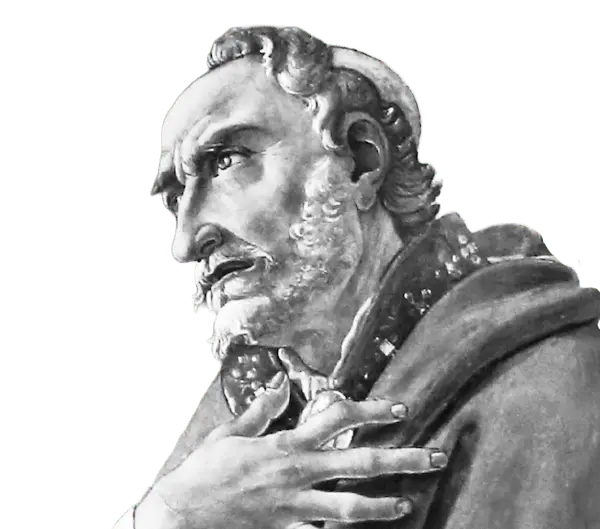
Augustine of Hippo Sermon
Valuing Eternal Life: Contrasting Temporary and Eternal Life
The Value of Eternal Life
1. The Lord said to a certain young man, "If you want to enter into life, keep the commandments" (Matthew 19:17). He didn't say, "If you want to enter into eternal life," but simply "If you want to enter into life"—establishing that true life is what will be eternal life. Let's first consider how much people value the love of this present life. Even this present life, under any circumstances, is loved; people fear and dread ending it, no matter how troubled and miserable it is.
From this we can see and consider how much more we should love eternal life. If this miserable life that must eventually end is loved so much, consider, brothers, how greatly we should love that life where you will never end your living. You love, it seems, this present life where you labor so much—hurrying back and forth, keeping busy, suffering fatigue. The necessities of this miserable life can hardly be counted: sowing, plowing, clearing the ground, sailing, grinding grain, cooking, weaving. And after all these efforts, you still have to end your life.
Look at the hardships you endure in this miserable life that you love. Do you think you'll live forever and never die? Temples, stones, marble—joined together so strongly with iron and lead—eventually fall into ruin despite their strength. Yet does anyone suppose they will never die? Learn then, brothers, to seek eternal life, where you won't endure all these troubles but will reign with God forever.
"For whoever desires life," as the Prophet says, "loves to see good days" (Psalm 34:12). In evil days, death is desired more than life. Don't we hear and see people involved in tribulations and distress, lawsuits or sicknesses, when they're in pain? Don't we hear them saying nothing other than, "O God, send me death, hasten my days"? Yet when sickness actually comes, they rush about, doctors are called, and money and rewards are promised.
Death himself says to you, "Look, here I am—the one you were asking the Lord for just a little while ago. Why are you running from me now? I've found you to be deceiving yourself, a lover of this miserable life."
2. But concerning these days we're now passing through, the Apostle says, "Redeeming the time, because the days are evil" (Ephesians 5:16). Aren't these days truly evil that we spend in this corruptible flesh, under such a heavy burden of the corruptible body, amid so many temptations and difficulties? Here we find false pleasure, no security of joy, tormenting fear, greedy desire, and depressing sadness.
Look at what evil days these are! Yet no one wants to end these same evil days, and people earnestly pray to God that they may live long. But what is living long except being tormented for a long time? What is living long but adding evil days to evil days?
When children are growing up, it seems as if days are being added to them, whereas they don't realize that their days are actually being diminished. Their very calculation is misleading. As we grow up, our remaining days diminish rather than increase. Imagine someone assigned eighty years of life at birth. Every day they live, they lose a portion of that total. Yet foolish people rejoice at recurring birthdays, both their own and their children's. Think about this: if the wine in your bottle decreases, you become sad; yet you're losing days, and you're glad?
These days are evil, and they're all the more evil because people love them so much. This world is so alluring that no one wants to finish a life of sorrow. But the true, blessed life is the one where we'll rise again and reign with Christ. The ungodly will also rise again, but only to enter the fire. Life, then, is there again—but it's the blessed life. And a blessed life can only be one that's eternal, where there are "good days." And these aren't many days, but one day.
They're called "days" following the custom of this life. That day knows no sunrise and no sunset. No tomorrow follows it, because no yesterday precedes it. This day, or these days, and this life—this true life—we have in promise. It's the reward for certain work. So if we love the reward, let's not fail in the work. Then we shall reign with Christ forever.