
When God Hides Truth from the Wise and Reveals It to the Simple
Augustine of Hippo Sermon
When God Hides Truth from the Wise and Reveals It to the Simple
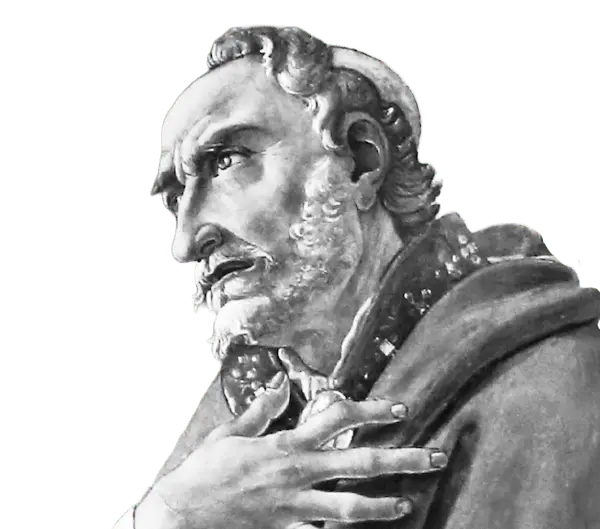
Augustine of Hippo Sermon
When God Hides Truth from the Wise and Reveals It to the Simple
The Wisdom of the World and the Wisdom of God
1. We have heard the Son of God saying, "I thank You, Father, Lord of heaven and earth" (Matthew 11:25). What is He thanking Him for? What is He praising? "Because You have hidden these things from the wise and prudent and have revealed them to babes." Who are these "wise and prudent"? Who are the "babes"? What has God hidden from the wise and prudent and revealed to babes?
By the "wise and prudent," Jesus means those of whom Paul speaks: "Where is the wise? Where is the scribe? Where is the debater of this age? Has not God made foolish the wisdom of this world?" (1 Corinthians 1:20). But perhaps you still ask who they are. They are those who, in their excessive speculations about God, have spoken falsely of Him. Puffed up by their own doctrines, they could in no way find and know God. For the God whose essence is incomprehensible and invisible, they thought the air and sky to be God, or the sun to be God, or anything that holds high place among created things to be God. Observing the grandeur, beauty, and powers of created things, they stopped at them and did not find the Creator.
2. The Book of Wisdom critiques such people: "For if they were able to know so much as to aim at exploring the world, how did they not more readily find the Lord of it?" (Wisdom 13:9). They are criticized for wasting their time and efforts in investigating and measuring creation. They studied the courses of the stars, the distances between planets, and the movements of heavenly bodies. They reached such a degree of knowledge that they could predict eclipses of the sun and moon, and events happened just as they had foretold—on the exact day, hour, and portion of these bodies that would be eclipsed.
This shows great industry and intellectual power! But in pursuing these things, they sought the Creator, who was not far from them, yet they did not find Him. Had they found Him, they would have had Him within them. They are rightly criticized for being able to calculate the movements of stars and predict eclipses of heavenly bodies, yet failing to find the One who created and ordered these things, because they neglected to truly seek Him.
But don't be troubled if you are ignorant of the movements of stars and the proportions of celestial and terrestrial bodies. Simply behold the beauty of the world and praise its Creator's wisdom. Look at what He has made and love the One who made it. Let this be your greatest concern: Love the Creator, for He also made you in His own image, so that you might love Him.
Those Who Know God Yet Don't Honor Him
3. If it is remarkable that those things Christ said were "hidden from the wise and prudent" were hidden from such scholars—who, fully occupied with creation, carelessly sought the Creator and couldn't find Him—it is even more remarkable that there were some "wise and prudent" people who were able to know God.
"For the wrath of God is revealed from heaven against all ungodliness and unrighteousness of people who suppress the truth in unrighteousness" (Romans 1:18). You might ask, what truth do they suppress in unrighteousness? "Because what may be known of God is manifest in them" (Romans 1:19). How is it manifest? Paul continues, "For God has shown it to them."
Do you still wonder how God manifested it to those to whom He did not give the Law? How? "For since the creation of the world His invisible attributes are clearly seen, being understood by the things that are made, even His eternal power and Godhead" (Romans 1:20).
There were some like this—not like Moses the servant of God, nor like many prophets who had insight into these matters through the help of God's Spirit, which they received by faith, drank with the throat of godliness, and proclaimed through their inner being. No, they were very different. Through visible creation, they were able to attain understanding of the Creator and say about the things God made: "Behold these things He has made; He also governs and sustains them. He who made them fills with His presence what He has made." They were able to recognize this much.
Paul also mentioned these people in the Acts of the Apostles. After saying of God, "For in Him we live and move and have our being" (Acts 17:28)—since he was speaking to Athenians among whom such learned people had existed—he immediately added, "as also some of your own poets have said." And this was no trivial insight they had: "That in Him we live and move and have our being."
4. How, then, were they different from others? Why were they blamed? Why were they rightly accused? Hear the Apostle's words that I began to quote: "The wrath of God," he says, "is revealed from heaven against all ungodliness" (even of those who had not received the law); "against all ungodliness and unrighteousness of people who suppress the truth in unrighteousness" (Romans 1:18).
What truth? "Because what may be known of God is manifest in them." By whose manifestation? "For God has shown it to them." How? "For since the creation of the world His invisible attributes are clearly seen, being understood by the things that are made, even His eternal power and Godhead." Why did He reveal it? "So that they are without excuse." Why then are they to be blamed? "Because, although they knew God, they did not glorify Him as God" (Romans 1:21).
The Nature of True Gratitude
5. What do these words mean, "they did not glorify Him as God" ? They did not give Him thanks. Is this what it means to glorify God—to give God thanks? Yes, indeed! For what could be worse than being created in God's image, coming to know God, and then not being thankful to Him?
This is truly what it means to glorify God: to give God thanks. The faithful know where and when it is said, "Let us give thanks to our Lord God." But who gives thanks to God except the one who "lifts up their heart to the Lord"? Therefore they are blameworthy and without excuse "because, although they knew God, they did not glorify Him as God, nor were thankful. But" —what happened instead? "But they became futile in their thoughts" (Romans 1:21).
How did they become futile except through pride? Just as smoke vanishes by rising up high, while a flame burns more brightly and strongly when kept low. "They became futile in their thoughts, and their foolish hearts were darkened." So smoke, though it rises higher than flame, becomes dark.
6. Finally, notice what follows, and see the point on which the whole matter depends: "Professing to be wise, they became fools" (Romans 1:22). By claiming for themselves what God had given, God took away what He had given. Therefore, He hid Himself from the proud, while revealing knowledge of Himself only to those who diligently sought the Creator through the creation.
Well did our Lord say, "You have hidden these things from the wise and prudent" —whether from those who through their many arguments and busy investigations have thoroughly examined creation but knew nothing of the Creator, or from those who, although they knew God, did not glorify Him as God or give Him thanks, and could not see perfectly or healthily because they were proud.
"You have hidden these things from the wise and prudent and revealed them to babes" (Matthew 11:25). What babes? The humble. God says, "On whom does My Spirit rest? "On the one who is humble and contrite in spirit, and who trembles at My word" (Isaiah 66:2).
At these words, Peter trembled, but Plato did not. Let the fisherman hold fast what the famous philosopher lost. "You have hidden these things from the wise and prudent and revealed them to babes." You have hidden them from the proud and revealed them to the humble.
What things are these? When Jesus said this, He was not pointing to heaven and earth, as if indicating them with His hand. For who does not see these things? Both the good and the bad see them, since He "makes His sun rise on the evil and on the good" (Matthew 5:45). What, then, are these things? "All things have been delivered to Me by My Father" (Matthew 11:27).