
Why Christ Had to Depart for the Spirit to Come
Augustine of Hippo Sermon
Why Christ Had to Depart for the Spirit to Come
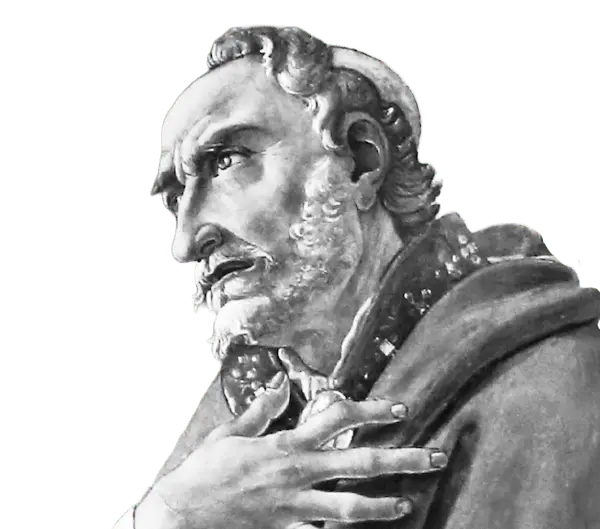
Augustine of Hippo Sermon
Why Christ Had to Depart for the Spirit to Come
The Spirit's Coming and Christ's Departure
1. The medicine for all wounds of the soul, the only atonement for human offenses, is to believe in Christ. No one can be cleansed from any sin—whether the original sin inherited from Adam (in whom all have sinned and become by nature children of wrath), or the sins they have added through their own actions by not resisting the desires of the flesh but following and serving it in unclean and harmful deeds—unless by faith they are united and joined to Christ's body.
Christ was conceived without any enticement of the flesh or deadly pleasure. His mother carried Him in her womb without sin, and "He committed no sin, nor was deceit found in His mouth" (1 Peter 2:22). Those who believe in Him become children of God because they are born of God through the grace of adoption, which comes by faith in Jesus Christ our Lord.
Therefore, dear friends, our Lord and Savior rightly mentions only one sin of which the Holy Spirit convinces the world: that it does not believe in Him. "I tell you the truth," He says, "it is to your advantage that I go away; for if I do not go away, the Helper will not come to you; but if I depart, I will send Him to you. And when He has come, He will convict the world of sin, and of righteousness, and of judgment: of sin, because they do not believe in Me; of righteousness, because I go to My Father and you see Me no more; of judgment, because the ruler of this world is judged" (John 16:7-11).
2. He wants the world to be convinced of only this one sin—that they do not believe in Him. This is because by believing in Him, all sins are released. Since this one sin remains, the rest stay bound.
By believing, people are born of God and become children of God. As John writes, "He gave them the right to become children of God, to those who believe in His name" (John 1:12). Whoever believes in the Son of God, to the extent that they adhere to Him and become by adoption a child and heir of God and joint-heir with Christ, to that extent they do not sin. As John says, "Whoever has been born of God does not sin" (1 John 3:9).
Therefore, the sin of which the world is convicted is simply unbelief. This is the sin of which Jesus says, "If I had not come, they would have no sin" (John 15:22). What? Didn't they have countless other sins? But through His coming, this one sin was added to those who didn't believe, through which all their other sins would be retained. Meanwhile, for those who believe, because this one sin is removed, all their sins are forgiven.
The apostle Paul speaks with this same understanding when he says, "All have sinned and fall short of the glory of God" (Romans 3:23), so that "whoever believes in Him will not be put to shame" (Romans 10:11). As the Psalm also says, "Come to Him and be enlightened, and your faces shall not be ashamed" (Psalm 34:5). Whoever boasts in themselves will be put to shame because they will not be found without sins. Only those who glory in the Lord will not be ashamed.
"All have sinned and fall short of the glory of God" (Romans 3:23). So when Paul spoke of the Jews' unbelief, he didn't say, "What if some of them sinned? Will their sin nullify God's faithfulness?" How could he say, "If some of them sinned," when he had already said, "All have sinned"? Instead, he said, "What if some did not believe? Will their unbelief nullify God's faithfulness?" (Romans 3:3). He specifically identifies the sin that keeps the door closed against all others, preventing them from being forgiven by God's grace.
It is of this one sin that the world is convicted by the coming of the Holy Spirit—that is, by the gift of His grace given to believers—as the Lord says, "Of sin, because they do not believe in Me."
3. There would be no great merit or glorious blessing in believing if the Lord had always appeared in His risen body to human eyes. The Holy Spirit has brought this great gift to believers: though they cannot see Christ with physical eyes, they might—with minds freed from fleshly desires and filled with spiritual longing—yearn for Him.
Consider the disciple who said he wouldn't believe unless he touched Christ's scars. After handling the Lord's body, he cried out as if waking from sleep, "My Lord and my God!" (John 20:28). The Lord said to him, "Because you have seen Me, you have believed. Blessed are those who have not seen and yet have believed" (John 20:29).
This blessing has been brought to us by the Holy Spirit, the Comforter. The human form that Christ took from the Virgin's womb has been removed from our physical sight, so that our purified mind's eye might be directed to His divine nature, in which He remained equal with the Father even when He appeared in human form.
Filled with this same Spirit, the apostle could say, "Even though we have known Christ according to the flesh, yet now we know Him thus no longer" (2 Corinthians 5:16). He knew Christ's flesh not according to the flesh but according to the Spirit. Not by curious touching, but by assured believing, he acknowledged the power of Christ's resurrection.
He didn't say in his heart, "Who will ascend into heaven?" (that is, to bring Christ down) or "Who will descend into the abyss?" (that is, to bring Christ up from the dead). Instead, he says, "The word is near you, in your mouth and in your heart" (that is, the word of faith which we preach): "that if you confess with your mouth the Lord Jesus and believe in your heart that God has raised Him from the dead, you will be saved. For with the heart one believes unto righteousness, and with the mouth confession is made unto salvation" (Romans 10:6-10). These, brothers, are the apostle's words, poured forth with the holy fullness of the Holy Spirit Himself.
4. Since we could never have attained this blessing—by which we believe though we do not see—except by receiving it from the Holy Spirit, Jesus rightly said, "It is to your advantage that I go away; for if I do not go away, the Helper will not come to you; but if I depart, I will send Him to you" (John 16:7).
By His divine nature, Christ is always with us. But if He had not physically departed from us, we would have always seen His body in a fleshly way and never believed in a spiritual way. It is by this spiritual belief that we are justified and blessed, able to contemplate with purified hearts the very Word, God with God, "through whom all things were made" (John 1:3), who "became flesh and dwelt among us" (John 1:14).
If "with the heart one believes unto righteousness" (Romans 10:10), then rightly is the world—which will only believe what it sees—convinced of our righteousness. For us to have this righteousness of faith, of which the unbelieving world is convinced, the Lord said, "Of righteousness, because I go to My Father and you see Me no more" (John 16:10).
It's as if He had said: "This will be your righteousness—that you believe in Me, the Mediator, and be fully assured that I have risen and gone to the Father, though you no longer see Me physically. Being reconciled through Me, you will be able to see God spiritually."
This is why He said to the woman who represents the Church, when she fell at His feet after His resurrection, "Do not cling to Me, for I have not yet ascended to My Father" (John 20:17). This statement has a mystical meaning: "Do not believe in Me in a physical way through bodily contact. You will believe in a spiritual way—that is, with spiritual faith you will touch Me—when I have ascended to the Father." For "blessed are those who have not seen and yet have believed" (John 20:29).
This is the righteousness of faith, of which the world (which lacks it) is convinced through us who possess it, for "the just shall live by faith" (Romans 1:17). So whether it means that we are invisibly perfected in justification as we rise in Him and come to the Father in Him, or that we live by faith through not seeing yet believing (for "the just shall live by faith"), the Lord rightly said, "Of righteousness, because I go to My Father and you see Me no more."
5. The world cannot excuse itself by claiming the devil prevents it from believing in Christ. For believers, the ruler of this world has been cast out so he no longer works in the hearts of those whom Christ has begun to possess through faith, as he works in the children of unbelief. Since he has been cast out from his former internal dominion, he now wages war externally.
Though through his persecutions "the Lord guides the humble in justice" (Psalm 25:9), the very fact that he has been cast out means he is "already judged." The world is convinced of this judgment. Those who refuse to believe in Christ have no grounds to complain about the devil, who, already judged and cast out, is only permitted to attack us from outside.
Not only men but even women, boys, and girls have overcome him as martyrs. In whom have they overcome, if not in Christ, in whom they believed? Though they did not see Him, they loved Him. Through His rule in their hearts, they freed themselves from a most oppressive lord. All this comes by grace—the gift of the Holy Spirit.
Rightly then does the same Spirit convince the world of sin, because it does not believe in Christ; of righteousness, because those who were willing have believed, though they did not see the one in whom they believed, and through His resurrection have hoped to be perfected in the resurrection themselves; and of judgment, because if they had been willing to believe, nothing could have hindered them, "for the ruler of this world has been judged already."