
Commentaries
11
Wherein (εν ω). In my gospel.
I suffer hardship (κακοπαθω). "I suffer evil." Old compound (κακον, πασχω), …

Albert Barnes
AlbertBarnes
In which I suffer trouble as an evildoer. As if I were a violator of the laws. That is, I am treated as if I were a criminal.
E…

Charles Ellicott
CharlesEllicott
Wherein I suffer trouble.—Here St. Paul urges Timothy to take courage, by thinking of the brave, patient example he was s…

Charles Spurgeon
CharlesSpurgeon
For, when God was with Moses and Aaron, Jannes and Jambres were soon, by the power and wisdom of God, proved to be fools.

Expositor's Bible Commentary
Expositor'sBible Commentary
For preaching this Gospel, Paul is suffering like a chained criminal. But he rejoices that “God’s word is not chained.” The preacher is in prison, …

John Calvin
JohnCalvin
In which I am a sufferer. This is an anticipation, because his imprisonment lessened the credibility of his gospel in the eyes of ignorant…
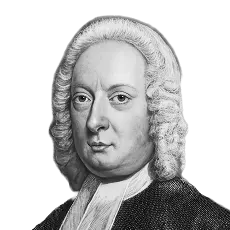
John Gill
JohnGill
Wherein I suffer trouble as an evildoer
As a malefactor, as if guilty of some capital crime; an enemy to the law of …
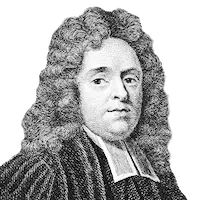
Matthew Henry
MatthewHenry
Let suffering saints remember, and look to Jesus, the Author and Finisher of their faith, who for the joy that was set before him, endured the …

Thomas Aquinas
ThomasAquinas
Previously, the Apostle prepared Timothy for martyrdom; here he exhorts him to it. He does this in three ways:
- He gives him a sample o…
A.T. Robertson
A.T.Robertson