
Commentaries
7
For the day of vengeance - (See the notes at Isaiah 34:8).
And the year of my redeemed is come - The year wh…

Charles Ellicott
CharlesEllicott
19th Century
Anglican
19th Century
You shall no more be termed Forsaken ... —The change of name is here partially indicated, and probably finds its starting…

John Calvin
JohnCalvin
16th Century
Protestant
16th Century
Thou shalt no more be called forsaken. He addresses a difficulty that might occur to the minds of believers. Since they were forsaken and …
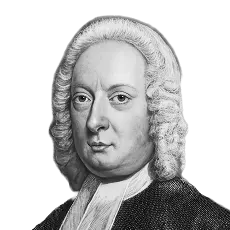
John Gill
JohnGill
17th Century
Reformed Baptist
17th Century
You shall no more be termed Forsaken
That is, of the Lord her God, as she had seemed to be to others, and thought to…
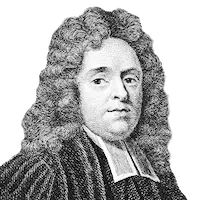
Matthew Henry
MatthewHenry
17th Century
Presbyterian
17th Century
The Son of God here assures his church of his unfailing love, and his pleading for her under all trials and difficulties. She shall be called by a …

Thomas Aquinas
ThomasAquinas
13th Century
Catholic
13th Century
-
For Zion’s sake. Here he promises the honor of glory to the people.
First, the prophet's petition is set forth.
Albert Barnes
AlbertBarnes