
Commentaries
7
I will not ask - In this case Ahaz assumed the appearance of piety, or respect for the command of God. In Deuteronomy 6:16, it is written, <…

Charles Ellicott
CharlesEllicott
I will not ask ... — The king speaks as if with the very accents of faith. He will not put Jehovah to any such test. Not, perhaps,…
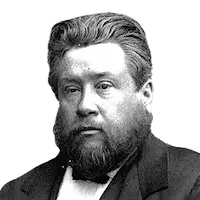
Charles Spurgeon
CharlesSpurgeon
If you will not believe, surely you shall not be established.
Moreover the LORD spoke again to Ahaz, saying, Ask you a sign of …

John Calvin
JohnCalvin
And Ahaz said. By a plausible excuse he refuses the sign which the Lord offered to him. That excuse is that he is unwilling to tempt t…
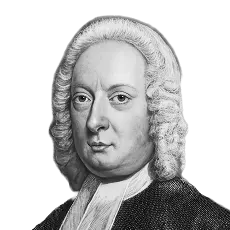
John Gill
JohnGill
But Ahaz said, I will not ask That is, a sign or miracle to be wrought; being unwilling to take the advice to be still an…
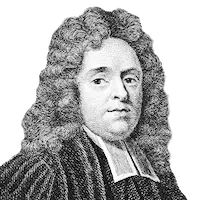
Matthew Henry
MatthewHenry
Secret disaffection toward God is often disguised with the pretense of respect for him; and those who are resolved that they will not trust God, ye…

Thomas Aquinas
ThomasAquinas
-
And the Lord spoke again to Ahaz. Here the sign of deliverance is presented. First, the freedom to choose a sign is given. Secon…
Albert Barnes
AlbertBarnes