
Commentaries
8
When he gives quietness - That is, when God designs to give rest, comfort, ease, or prosperity in any way to a man. The Hebrew word used her…

Charles Ellicott
CharlesEllicott
When he gives quietness, who then can make trouble? —This is probably the meaning, but literally it is: Who can conde…

Charles Spurgeon
CharlesSpurgeon
Whether it be done against a nation, or against a man only: that the hypocrite reign not, lest the people be ensnared.
God has ways…
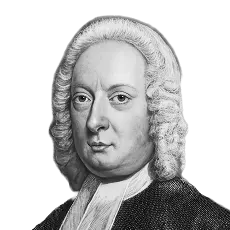
John Gill
JohnGill
When he gives quietness, who then can make trouble ?
&c.] Quietness or peace is of God; external peace to bodies of …
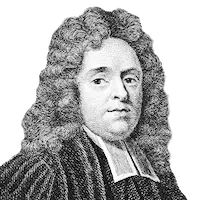
Matthew Henry
MatthewHenry
Elihu appeals directly to Job himself. Could he suppose that God was like those earthly princes, who hate right, who are unfit to rule, and prove t…

Thomas Aquinas
ThomasAquinas
There are two primary reasons why people deviate from justice. The first is that they show deference to important persons, and the second is that t…
Albert Barnes
AlbertBarnes