
Commentaries
5
Whom, though I were righteous — That is, if I felt the utmost confidence that I was righteous, yet, if God judged otherwise and regarded me …

Charles Ellicott
CharlesEllicott
19th Century
Anglican
19th Century
Though I were righteous. —He now puts the alternative case: that he were actually righteous; yet even then supplication, and not assertion…
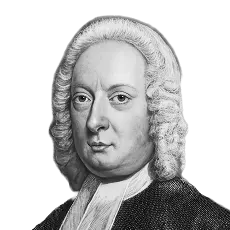
John Gill
JohnGill
17th Century
Reformed Baptist
17th Century
Whom, though I were righteous, [yet] would I not answer
This is not to be understood of the righteousness of his cau…
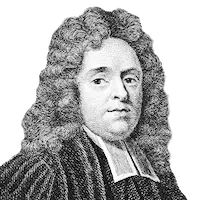
Matthew Henry
MatthewHenry
17th Century
Presbyterian
17th Century
Job is still righteous in his own eyes (Job 32:1), and his answer, though it sets forth the power and majesty of God, implies that the …

Thomas Aquinas
ThomasAquinas
13th Century
Catholic
13th Century
Since the blessed Job wished to affirm that he did not desire to argue with God, he first showed the depth of God's wisdom in natural things by usi…
Albert Barnes
AlbertBarnes