
Commentaries
14
Work not for (μη εργαζεσθε). Prohibition with μη and present middle imperative of εργαζομα, old verb from εργον, work.

Albert Barnes
AlbertBarnes
Labour not. This does not mean that we are to make no effort for the supply of our wants (Compare to 1 Timothy 5:1; […

Charles Ellicott
CharlesEllicott
Labour not for the meat which perishes.—This is one of the instances in which the reader of the English Bible has in the …
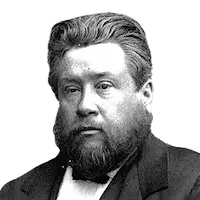
Charles Spurgeon
CharlesSpurgeon
Labour not for the meat which perisheth, but for that meat which endureth unto everlasting life, which the Son of man shall give unto you, for …

Church Fathers
ChurchFathers
St. John Chrysostom: Although our Lord did not actually show Himself to the multitude walking on the sea, He still gave them t…

Expositor's Bible Commentary
Expositor'sBible Commentary
Jesus was not flattered by the attention of the crowds, but immediately he began his instruction. The several answers he gave to their questions ar…

John Calvin
JohnCalvin
Labour for food, not that which perisheth. He shows to what object our desires ought to be directed: namely, to eternal life. But because,…

John Gill
JohnGill
Labour not for the meat which perisheth
Meaning either food for the body, which is perishing; its virtue is perishin…

Matthew Henry
MatthewHenry
Instead of answering their inquiry about how He came there, Jesus criticized their asking. The utmost earnestness should be employed in seeking sal…

Thomas Aquinas
ThomasAquinas
-
After describing how the disciples searched for Christ, the Evangelist now shows the people looking for him.
First, he states thei…
A.T. Robertson
A.T.Robertson