
Commentaries
6
Tell us, for whose cause—Literally, “for what to whom.” It may be that they thought Jonah had been guilty toward someone else. The lot had p…

Charles Ellicott
CharlesEllicott
For whose cause ...—The Hebrew idiom is peculiar, on account of which to whom; but in this verse, when addressed by the s…
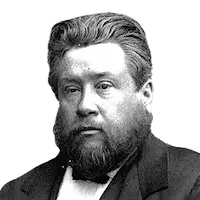
Charles Spurgeon
CharlesSpurgeon
I do not know whether these men had traded with those who then lived in these islands, but they had a very English custom of not judging a man befo…

John Calvin
JohnCalvin
After the lot fell on Jonah, they did not doubt that he was the guilty person, any more than if he had been proven to be so a hundred times: for wh…

John Gill
JohnGill
Then they said to him, tell us, we pray you. They did not fall upon him at once in an outrageous manner, and throw him ov…

Matthew Henry
MatthewHenry
Jonah gave an account of his religion, for that was his duty. We may hope that he told it with sorrow and shame, justifying God, condemning himself…
Albert Barnes
AlbertBarnes