
Commentaries
5
Betrothed to a husband – Rather, who has been betrothed to a man. The reference appears to be to a bondwoman who has been betrothed to a fel…

Charles Ellicott
CharlesEllicott
19th Century
Anglican
19th Century
And whosoever lieth. —Better, If a man lie, as the same phrase is translated in the Authorized Version,[Reference Levitic…

John Calvin
JohnCalvin
16th Century
Protestant
16th Century
Although in God’s sight there is no difference between slave and free, yet their condition is different regarding courts of justice;70 n…

John Gill
JohnGill
17th Century
Reformed Baptist
17th Century
And whosoever lieth carnally with a woman Has carnal knowledge of her: a man and woman are expressed, signifying those th…
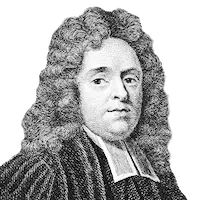
Matthew Henry
MatthewHenry
17th Century
Presbyterian
17th Century
There are some ceremonial precepts in this chapter, but most of these precepts are binding on us, for they are explanations of the Ten Commandments…
Albert Barnes
AlbertBarnes