
Commentaries
8
Hateth not (ου μισε). An old and very strong verb μισεω, to hate, detest. The orientals use strong language where cooler spirits w…

Albert Barnes
AlbertBarnes
And hate not. The word hate, here, simply means to love less. For the meaning of the verse, see Matthew 10:37.
It…

Charles Ellicott
CharlesEllicott
If any man come to me, and hate not his father.—Similar words had been spoken before, as in Matthew 10:37-39 (see the notes on that passag…
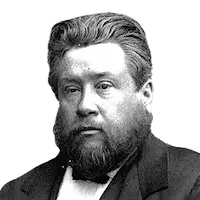
Charles Spurgeon
CharlesSpurgeon
And he turned and said to them, If any man come to me, and hate not his father, and mother, and wife, and children, and brethren, and sisters, …

Church Fathers
ChurchFathers
St. Gregory the Great: The mind is kindled when it hears of heavenly rewards, and it already desires to be there, where it hope…

Expositor's Bible Commentary
Expositor'sBible Commentary
The serious tone of the preceding parable continues as attention now turns to those who profess allegiance to Jesus. Luke again points out Jesus’ p…

John Gill
JohnGill
If any man come to me
Not in a corporeal, but in a spiritual way; nor barely to hear him preach; but so come, as tha…

Matthew Henry
MatthewHenry
Although the disciples of Christ are not all crucified, they all bear their cross and must bear it in the way of duty. Jesus instructs them to anti…
A.T. Robertson
A.T.Robertson