
Commentaries
10
When he was come into the temple. That is, probably, into the inner court; the court of the Israelites. They took this opportunity when he…

Charles Ellicott
CharlesEllicott
The chief priests and the elders—Saint Matthew and Saint Luke add “the scribes,” thus including representatives of the three const…
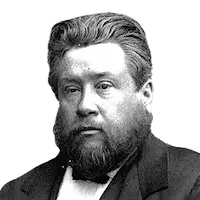
Charles Spurgeon
CharlesSpurgeon
Jesus knew that these men came to him for no good purpose, angry that they were so willing only to try and trip him up in his speech. He was always…

Church Fathers
ChurchFathers
Pseudo-Chrysostom: The priests were tormented with jealousy because they had seen Christ entering the Temple in great g…

Expositor's Bible Commentary
Expositor'sBible Commentary
Jesus’ teaching takes place in the “temple courts,” probably in one of the porticos surrounding the Court of the Gentiles. The chief priests and th…

John Calvin
JohnCalvin
By what authority do you do these things? As the other schemes and open attempts to attack Christ had not succeeded, the priests and s…
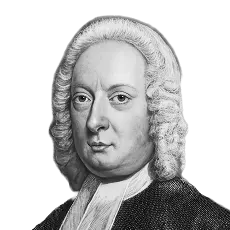
John Gill
JohnGill
And when he was come into the temple
The day following the cursing the fig tree: for the withering of it, and the no…

Matthew Henry
MatthewHenry
As our Lord now openly appeared as the Messiah, the chief priests and scribes were greatly offended, especially because he exposed and removed the …

Thomas Aquinas
ThomasAquinas
Here, they reprehend by questioning. And firstly, the questioning is related; and secondly, the refutation is related, where it is said,
Albert Barnes
AlbertBarnes