
Commentaries
11
Your communication. Your word; what you say.
Be, Yea. Yes. This does not mean that we should always use the word …

Charles Ellicott
CharlesEllicott
Let your communication—This is one of the few instances in which the translators seem to have preferred a somewhat pedantic Latin …
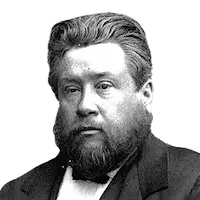
Charles Spurgeon
CharlesSpurgeon
False swearing was forbidden formerly, but every kind of swearing is forbidden now by the word of our Lord Jesus. He mentions several forms of oath…

Church Fathers
ChurchFathers
Glossa Ordinaria: The Lord has until now taught to abstain from injuring our neighbor, forbidding anger with murder, lust with…

Expositor's Bible Commentary
Expositor'sBible Commentary
The Greek might better be translated “But let your word be, ‘Yes, Yes; No, No.’ ” The doubling is probably part of Jesus’ rhetoric. This saying is …

John Calvin
JohnCalvin
But your speech shall be, Yes, yes; No, no. Christ now prescribes, in the second place, a remedy, which is that people act towards each ot…

John Gill
JohnGill
But let your communication be yea, yea
That is, let your speech, in your common conversation, and daily business of …

Matthew Henry
MatthewHenry
There is no reason to consider solemn oaths in a court of justice, or on other proper occasions, to be wrong, provided they are taken with due reve…

Thomas Aquinas
ThomasAquinas
Again you have heard that it was said to them of old, you shall not forswear yourself. Above, the Lord fulfilled one perm…
Albert Barnes
AlbertBarnes