
Commentaries
9
I am in a strait (συνεχομα). "I am held together." Present passive indicative of the common compound verb συνεχω, to hold together…

Albert Barnes
AlbertBarnes
For I am in a strait betwixt two. Two things, each of which I desire. I earnestly long to be with Christ, and I desire to remain to be use…

Charles Ellicott
CharlesEllicott
Having a desire . . .—Properly, having my own desire for departure. The verb “depart” corresponds exactly to the substant…
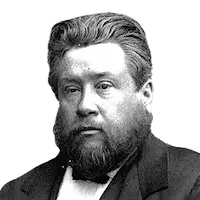
Charles Spurgeon
CharlesSpurgeon
Yet what I shall choose I know not. For I am in a strait between two, having a desire to depart, and to be with Christ; which is far better:

Expositor's Bible Commentary
Expositor'sBible Commentary
As Paul thought of his prospects, he felt himself in a dilemma (“I am torn”; GK 5309), though in his case either alternative (continued life or sud…

John Calvin
JohnCalvin
For I am in a strait. Paul did not desire to live with any other object in view than that of promoting the glory of Christ and doing good …
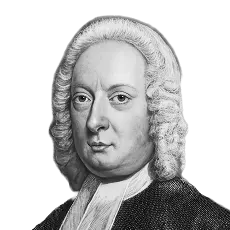
John Gill
JohnGill
For I am in a strait between two
Life and death; or between these "two counsels", as the Arabic version reads; two t…
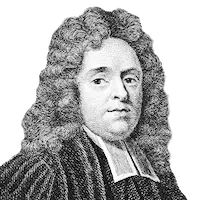
Matthew Henry
MatthewHenry
Death is a great loss to a carnal, worldly man, for he loses all his earthly comforts and all his hopes; but to a true believer it is gain, for it …

Thomas Aquinas
ThomasAquinas
Above, the Apostle described the progress he has made; here he deals with the joy born of this progress: first, the cause of this joy, and second, …
A.T. Robertson
A.T.Robertson