
Commentaries
9
In Christ Jesus in me (εν Χριστω Ιησου εν εμο). "In Christ Jesus" as the basis for the glorying (καυχημα), "in me" as the instance…

Albert Barnes
AlbertBarnes
That your rejoicing may be more abundant in Christ Jesus. Through the mercy and grace of Christ. If he was spared, his deliverance would b…

Charles Ellicott
CharlesEllicott
That your rejoicing may be more abundant.—The word translated “rejoicing” is that favorite word of Saint Paul, which signifies a g…
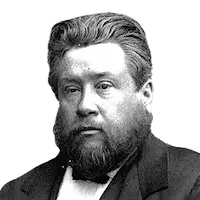
Charles Spurgeon
CharlesSpurgeon
The apostle desired to die, yet he was willing to live. Death would have been gain to him, yet he would endure the loss of living if he might there…

Expositor's Bible Commentary
Expositor'sBible Commentary
The “joy” (lit., “boasting”; GK 3017) in Paul’s thought here is that as the Philippians experienced the progress and joy that Paul’s labors among t…

John Calvin
JohnCalvin
That your glorying. The expression which he uses, ἐν ἐμοί, I have translated de me (concerning me,) because the preposit…
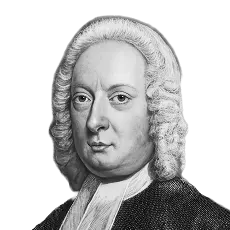
John Gill
JohnGill
That your rejoicing may be more abundant
They had rejoiced greatly on his account already, blessing God that ever th…

Matthew Henry
MatthewHenry
Death is a great loss to a carnal, worldly man, for he loses all his earthly comforts and all his hopes; but to a true believer it is gain, for it …

Thomas Aquinas
ThomasAquinas
Having stated the doubt and the reason for both sides, the Apostle then resolves it. First, as if choosing one side, he predicts the result of his …
A.T. Robertson
A.T.Robertson