
Commentaries
9
Conflict (αγωνα). Athletic or gladiatorial contest as in 1 Timothy 6:12; 2 Timothy 4:7. The Philippians sa…

Albert Barnes
AlbertBarnes
Having the same conflict. The same agony—agwna—the same strife with bitter foes, and the same struggle in the warfare.

Charles Ellicott
CharlesEllicott
Having the same conflict, which ye saw in me.—The allusion is, of course, to the lawless scourging and imprisonment of Ac…

Charles Spurgeon
CharlesSpurgeon
Having the same conflict which you saw in me, and now hear to be in me.
"The same agony" is the meaning in Greek, as if every Chris…

Expositor's Bible Commentary
Expositor'sBible Commentary
In this matter of suffering, the Philippians were experiencing the same sort of “struggle” (GK 74) Paul had endured throughout his ministry. They h…

John Calvin
JohnCalvin
Having the same conflict. He confirms, also, by his own example what he had said, and this adds no little authority to his doctrine. By th…

John Gill
JohnGill
Having the same conflict
For it seems that the Philippians were now under persecution for the Gospel of Christ; but …
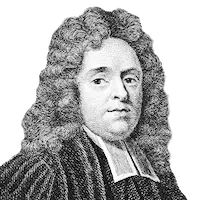
Matthew Henry
MatthewHenry
Those who profess the gospel of Christ should live as befits those who believe gospel truths, submit to gospel laws, and depend upon gospel promise…

Thomas Aquinas
ThomasAquinas
Having stated the doubt and the reason for both sides, the Apostle then resolves it. First, as if choosing one side, he predicts the result of his …
A.T. Robertson
A.T.Robertson