
Commentaries
7
A second earnest intercession, acknowledging the wickedness of the nation, but appealing to the covenant and to God’s almighty power.

Charles Ellicott
CharlesEllicott
And the iniquity. —The insertion of the conjunction weakens the force of the original. The wickedness which Israel confes…
Charles Spurgeon
CharlesSpurgeon
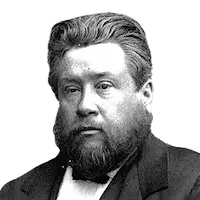
He has advanced a step further now, to the confession of sin. If that is not really prayer, it always goes with it. It is the background of prayer,…

John Calvin
JohnCalvin
The Prophet here undoubtedly prescribes to the Jews the way of appeasing God. He had previously uttered a prayer, partly to reprove the people for …
John Gill
JohnGill
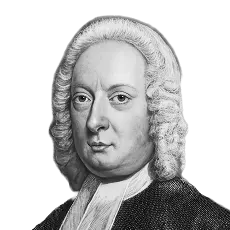
We acknowledge, O Lord, our wickedness, and the iniquity of our fathers This is said by the pro…
Matthew Henry
MatthewHenry
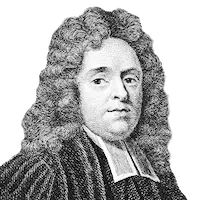
Jeremiah acknowledged his own sins, and those of the people, but pleaded with the Lord to remember his covenant. In their distress none of the idol…

Thomas Aquinas
ThomasAquinas
He begins his argument from the people's former love. Regarding this, there are four points.
-
First, he marvels at the rejection of…
Albert Barnes
AlbertBarnes