
Commentaries
10
Or hath not the potter a right over the clay? (η ουκ εχε εξουσιαν ο κεραμευς του πηλου?). This question, expecting an affirmative …

Albert Barnes
AlbertBarnes
Does not the potter, etc.? This same sovereign right of God the apostle proceeds to urge from another illustration, and another passage fr…

Charles Ellicott
CharlesEllicott
Hath not the potter . . .?—In strict logic, this verse would supply a confirmation, rather than a refutation, of the orig…
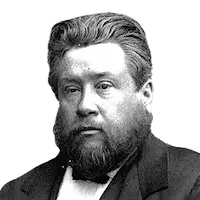
Charles Spurgeon
CharlesSpurgeon
For the scripture saith unto Pharaoh, Even for this same purpose have I raised thee up, that I might show my power in thee, and that my name mi…

Expositor's Bible Commentary
Expositor'sBible Commentary
As he continues the review of God’s sovereign activity, Paul presents another problem. If God acts unilaterally, according to his own will and purp…

John Calvin
JohnCalvin
Has not the worker of the clay? etc. The reason why what is formed ought not to contend with its maker is that the maker does nothing but …
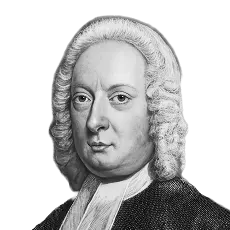
John Gill
JohnGill
Has not the potter power over the clay
By the power the potter has over the clay, to shape it in what form he pleases, and out…
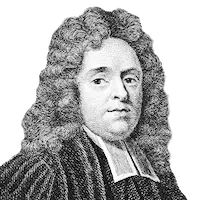
Matthew Henry
MatthewHenry
Whatever God does, must be just. The way in which the holy, happy people of God differ from others, God's grace alone makes them differ. In this pr…

Thomas Aquinas
ThomasAquinas
-
Having answered the proposed question, the Apostle raises an objection to the solution, particularly to the last part, which states that …
A.T. Robertson
A.T.Robertson