
Charles Spurgeon Commentary John 9:3
Charles Spurgeon Commentary
John 9:3
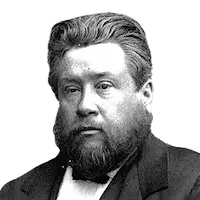
Charles Spurgeon Commentary
John 9:3
SCRIPTURE
"Jesus answered, Neither did this man sin, nor his parents: but that the works of God should be made manifest in him." — John 9:3 (ASV)
Jesus answered, Neither hath this man sinned, nor his parents: but that the works of God should be made manifest in him.
In other words, this man is not blind as the result of sin in himself, or in his parents. He is blind in order that God may have a platform for the display of his gracious power in healing him.
Jesus answered, Neither hath this man sinned, nor his parents:
That is to say, sin on their part was not the cause of his blindness.
But that the works of God should be made manifest in him.
Human nature is a platform for the manifestation of divine work.
The more in need you are, dear friend, the more room there is for God's mercy to operate upon you.
Jesus answered, Neither has this man sinned, nor his parents: but that the works of God should be made manifest in him.
That is to say, this blindness was not the result of special sin in any individual, but God intended that His works of mercy and of grace should be manifested through his affliction. It is a cruel thing when every form of malady or disease is traced to some fault in the person who has to suffer from it. This is infamous; I had almost said infernal; for Satan himself could hardly devise a more false and wicked thing than to say that, because a man is a special sufferer, therefore he must have been a special sinner.
It is not so; for, often, some of God's truest children – some of those who live nearest to Him – are those who keep the night watches through pain, or they are bedridden from year to year, or are deprived of some of their limbs, or in some other way are full of suffering. This is in order that, in their case also, the works of God should be manifest in them as they were in this poor blind man.