
Charles Spurgeon Commentary Matthew 13:23
Charles Spurgeon Commentary
Matthew 13:23
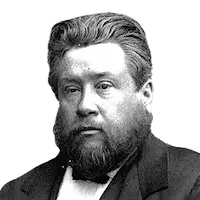
Charles Spurgeon Commentary
Matthew 13:23
SCRIPTURE
"And he that was sown upon the good ground, this is he that heareth the word, and understandeth it; who verily beareth fruit, and bringeth forth, some a hundredfold, some sixty, some thirty." — Matthew 13:23 (ASV)
But he that received seed into the good ground is he that heareth the word, and understandeth it; which also beareth fruit, and bringeth forth, some an hundredfold, some sixty, some thirty.
Here is the story of the Word's success. This fourth piece of land will repay all charges. Of course, no one parable teaches all truth, and therefore we have no mention here of the plowing which always precedes a fruitful harvest. No heart of man is good by nature: the good Lord had made this plot into "good ground." In this case, both thought and heart are engaged with the heavenly message, and the man "heareth the word, and understandeth it." By being understood lovingly, the truth gets into the man, and then it roots, it grows, it fruits, it rewards the sower.
We must aim at the inward apprehension and comprehension of the Word of God, for only in this way can we be made fruitful by it. Let us aim to be among those who would bear fruit a hundredfold! Ah, we would give our Lord ten thousandfold if we could. For every sermon we hear, we should endeavor to do a hundred gracious, charitable, or self-denying acts. Our divine Sower, with such heavenly seed, deserves to be rewarded with a glorious harvest.
But he that received seed into good ground is he that heareth the word, and understandeth it; which also beareth fruit, and bringeth forth, some an hundredfold, some sixty, some thirty.
For all Christians are not equally fruitful. Would that they all reached the hundredfold and went beyond it!
Such seed, and such a sower, and such fruitful seasons as he has given to some of us, and such plowing, and such tilling, and such manuring, and such watering, and such sunshine, and such dew—oh! We ought to bring forth a hundredfold.
Let us chide ourselves. Whenever we have to complain that we do not get a harvest from our sowing, or not as much as we could desire, let us look within and say, "My heart, you are like the field I have to sow. My Master, I fear, gets as little from you as I get when I go unsuccessfully to my work."
Which also beareth fruit, and bringeth forth, some an hundredfold, some sixty, some thirty.
I say again—Oh, that we had a hundredfold return for our sowing! Yet let us not forget to give God thanks if we have sixtyfold or even thirtyfold.
Here is the story of the Word’s success. This fourth piece of land will repay all charges.
Of course, no one parable teaches all truth, and therefore we have no mention here of the ploughing which always precedes a fruitful harvest. No heart of man is good by nature; the good Lord had made this plot into good ground.
In this case, both thought and heart are engaged with the heavenly message, and the man heareth the word and understandeth it. By being understood lovingly, the truth gets into the man, and then it roots, it grows, it fruits, it rewards the sower.
We must aim at the inward apprehension and comprehension of the Word of God, for only in this way can we be made fruitful by it.
Let us aim to be among those who bear fruit a hundredfold! Ah, we would give our Lord ten thousandfold if we could. For every sermon we hear, we should endeavor to do a hundred gracious, charitable, or self-denying acts. Our divine Sower, with such heavenly seed, deserves to be rewarded with a glorious harvest.