
Spiritual Blindness and Healing
Augustine of Hippo Sermon
Spiritual Blindness and Healing
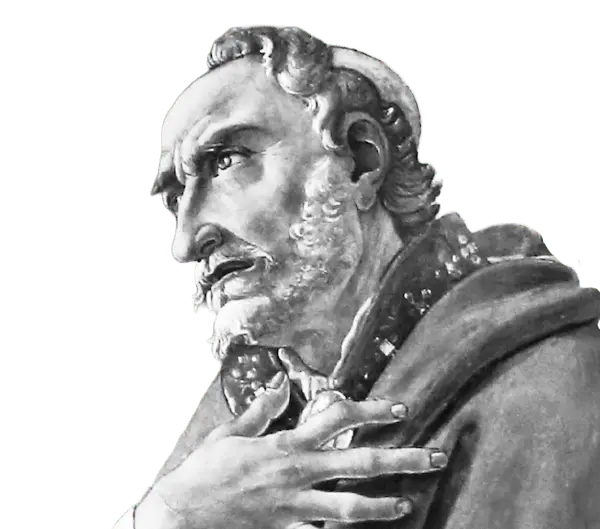
Augustine of Hippo Sermon
Spiritual Blindness and Healing
Physical Healing Points to Spiritual Reality
1. You know well, holy brothers and sisters, as we do, that our Lord and Savior Jesus Christ is the Physician of our eternal health. For this purpose, He took on the weakness of our nature so that our weakness would not last forever. He assumed a mortal body to put death to death. And, "though He was crucified in weakness," as the Apostle says, "yet He lives by the power of God" (2 Corinthians 13:4). The same Apostle also says, "He dies no more, and death no longer has dominion over Him" (Romans 6:9).
These truths are well known to your faith. And from this follows another truth: we should understand that all the miracles He performed on bodies serve to teach us, so that we may perceive that which will never pass away or end. He restored sight to the blind, though death would eventually close those eyes. He raised Lazarus, who would die again. Whatever He did for the health of bodies, He didn't do so they would live forever in that state. But at the last, He will give eternal health even to the body itself.
But because the invisible things were not believed, He built up faith in invisible things through these visible temporal acts. As the whole world itself, even those who don't believe what we believe, must acknowledge.
Faith Without Sight is Greater
2. Let no one, brothers, say that our Lord Jesus Christ doesn't do such things now, and on this account prefer the former ages of the Church to the present. In one place, the Lord Himself gives preference to those who "do not see, and yet believe" (John 20:29), over those who see and therefore believe.
Even then, the weakness of His disciples was so great that they thought they had to touch the one they saw had risen, in order to believe. It wasn't enough for their eyes to see Him—they needed to touch His limbs and feel the scars of His recent wounds. That doubtful disciple, when he had touched and recognized the scars, suddenly cried out, "My Lord and my God!" (John 20:28). The scars revealed Him who had healed all wounds in others.
Couldn't the Lord have risen without the scars? Yes, but He knew about the wounds in His disciples' hearts, and to heal them He preserved the scars on His own body. What did the Lord say to the one who now confessed and said, "My Lord and my God" ? "Because you have seen, you have believed; blessed are those who do not see, and yet believe" (John 20:29).
Who was He speaking of, brothers, but of us? Not that He spoke only of us, but also of those who will come after us. For after a short time, when He had departed from human sight so that faith might be established in their hearts, whoever believed, believed without seeing Him. And great has been the merit of their faith, because to obtain it they brought only the movement of a devoted heart, not the touching of their hands.
Spiritual Healings Today
3. The Lord did these things to invite us to faith. This faith now reigns in the Church, which is spread throughout the world. And now He performs greater healings, for which He didn't refuse to perform those lesser ones. Just as the soul is better than the body, so the saving health of the soul is better than the health of the body.
The blind body doesn't now open its eyes by a miracle of the Lord, but the blinded heart opens its eyes to the word of the Lord. The mortal corpse doesn't rise again now, but the soul that was dead in a living body does rise again. The deaf ears of the body aren't now opened, but how many have their heart's ears closed, yet they fly open at the penetrating word of God!
They believe who didn't believe before, they live well who lived badly, they obey who didn't obey. And we say, "This person has become a believer," and we marvel when we hear of those we once knew as hardened. Why are you amazed at someone who now believes, who lives properly and serves God? Because you see someone seeing who was blind, someone living who was dead, someone hearing who was deaf.
Consider that there are people who are dead in a different sense than the ordinary. The Lord spoke of this to someone who delayed following Him because he wanted to bury his father: "Let the dead bury their dead" (Matthew 8:22). Surely these "dead buriers" weren't physically dead. If they were, they couldn't bury dead bodies. Yet He calls them dead. Where else but in their souls?
Just as we might see in a household that's physically healthy, the master of the house lying dead, so too in a healthy body many people carry a dead soul. These are the ones the Apostle awakens when he says, "Awake, you who sleep, and arise from the dead, and Christ will give you light" (Ephesians 5:14). It's the same One who gives light to the blind who awakens the dead. It's with His voice that the Apostle cries out to the dead, "Awake, you who sleep."
The blind will be enlightened when they rise again. And how many deaf people did the Lord see before His eyes when He said, "Whoever has ears to hear, let him hear" (Matthew 11:15)? Who was standing before Him without physical ears? What other ears was He looking for but those of the inner person?
Seeing With the Eyes of Faith
4. Again, what eyes was He seeking when He spoke to those who could indeed see, but only with the eyes of the flesh? When Philip said to Him, "Lord, show us the Father, and it is enough for us" (John 14:8), Philip certainly understood that if the Father were shown to him, it would be enough. But how would the Father be enough for him when the One who is equal to the Father wasn't enough? Why wasn't He enough? Because He wasn't truly seen.
Why wasn't He seen? Because the eye that could see Him wasn't yet healed. The fact that the Lord was visibly seen in the flesh with physical eyes—this was seen not only by the disciples who honored Him, but also by the Jews who crucified Him. So He who wished to be seen in another way was looking for different eyes.
This is why He answered the one who said, "Show us the Father, and it is enough for us" by saying, "Have I been with you so long, and yet you have not known Me, Philip? He who has seen Me has seen the Father also" (John 14:9). To heal the eyes of faith, He first gave instructions about faith, so that Philip might attain sight.
And lest Philip think he should conceive of God in the same form in which he saw the Lord Jesus Christ in the body, Jesus immediately added, "Do you not believe that I am in the Father, and the Father in Me?" (John 14:10). He had already said, "He who has seen Me has seen the Father also." But Philip's eye wasn't yet sound enough to see the Father, nor consequently to see the Son who is equal with the Father.
So Jesus Christ began to heal and strengthen the eyes of his mind, which were still weak and unable to behold such a great light, and He said, "Do you not believe that I am in the Father, and the Father in Me?" Let the one who cannot yet see what the Lord will one day show him not seek first to see what he should believe; instead, let him first believe so that the eye by which he is to see may be healed.
The form of the servant was displayed to the eyes of servants; if "He who, being in the form of God, did not consider it robbery to be equal with God" (Philippians 2:6) could have been seen as equal with God by those He wanted to heal, He wouldn't have needed to "empty Himself and take the form of a servant" (Philippians 2:7).
But because there was no way for God to be seen, while there was a way for humanity to be seen, the One who was God became human, so that what was seen might heal that whereby He was not seen. For He says in another place, "Blessed are the pure in heart, for they shall see God" (Matthew 5:8).
Philip might have answered, "Lord, I see You; is the Father such as I see You to be, since You said, 'He who has seen Me has seen the Father also'?" But before Philip could answer or even think this, when the Lord had said, "He who has seen Me has seen the Father also," He immediately added, "Do you not believe that I am in the Father, and the Father in Me?"
With that eye, Philip couldn't yet see either the Father or the Son who is equal to the Father. But for his eye to be healed for seeing, it needed to be anointed for believing. So before you see what you cannot now see, believe what you don't yet see. "Walk by faith," so you may reach sight. Sight won't gladden the person in his home whom faith doesn't comfort on the journey.
As the Apostle says, "While we are in the body, we are absent from the Lord" (2 Corinthians 5:6). He immediately explains why we're still "absent" even though we've already believed: "For we walk by faith, not by sight" (2 Corinthians 5:7).
Healing the Heart's Eye
5. Our entire purpose in this life, brothers, is to heal this eye of the heart by which God may be seen. This is why the holy mysteries are celebrated, why the word of God is preached, why the Church gives moral exhortations—those related to correcting behavior, amending fleshly desires, and renouncing the world not only in word but through changed lives. All the divine and holy Scriptures aim to purge our inner person of whatever prevents us from seeing God.
The eye formed to see this temporal light—a light that, though heavenly, is still physical and visible not only to humans but even to the lowest animals—if anything falls into it that causes disorder, it's shut out from this light. Although the light surrounds the eye with its presence, the eye turns away and is absent from it. Through its disordered condition, the eye not only becomes absent from the light that's present but finds that the very light it was formed to see becomes painful.
In the same way, the eye of the heart, when disordered and wounded, turns away from the light of righteousness and dares not and cannot contemplate it.
6. And what disorders the eye of the heart? Evil desire, greed, injustice, worldly desire—these disorder, close, and blind the heart's eye. Yet when the body's eye is damaged, how quickly a physician is sought! How people rush about without delay to open and cleanse it, so that the eye might be healed and able to see the light! No one stands still, no one delays. If even the smallest straw falls into the eye, people run around frantically.
And God, it must be admitted, made the sun that we want to see with healthy eyes. But assuredly, much brighter is the One who made it. The light that concerns the mind's eye isn't like physical light at all. That light is eternal Wisdom.
God made you, O person, in His own image. Would He give you the ability to see the sun He made, but not give you the ability to see the One who made you, especially since He made you in His own image? He has given you this ability too—He has given you both. But you love these outward eyes greatly, while you neglect that inner eye. You carry it around bruised and wounded.
It would actually be a punishment for you if your Maker wanted to reveal Himself to you—it would be a punishment to your eye before it's cured and healed. This is what happened to Adam in paradise when he sinned and hid himself from God's face. As long as he had the sound heart of a pure conscience, he rejoiced in God's presence. But when that eye was wounded by sin, he began to dread the divine light. He retreated into darkness, fleeing from truth and seeking the shadows.
The Great Physician's Medicine
7. Therefore, my brothers, since we too are born from him, and as the Apostle says, "In Adam all die" (1 Corinthians 15:22)—for at first we were two persons—if we were unwilling to obey the physician so we wouldn't become sick, let's obey Him now so we may be delivered from sickness.
The physician gave us instructions when we were healthy. He gave us precepts so we wouldn't need a physician. "Those who are well," He says, "have no need of a physician, but those who are sick" (Matthew 9:12). When we were healthy, we disregarded these precepts, and through experience we've felt how destructive it was to ignore His instructions.
Now we're sick, we're in distress, we're on the bed of weakness—but let's not despair. Since we couldn't come to the Physician, He has graciously come to us. Though He was disregarded by people when they were healthy, He didn't disregard them when they were stricken.
He didn't stop giving additional instructions to the weak who wouldn't keep His first precepts that would have prevented their weakness. It's as if He were saying, "You've certainly experienced now that I spoke the truth when I said, 'Don't touch this.' Be healed now at last, and recover the life you've lost."
"Look, I'm bearing your weakness; drink the bitter cup. You have made My once-sweet precepts, which were given to you when you were healthy, burdensome through your own actions. They were disregarded, and so your distress began. You cannot be cured unless you drink the bitter cup of temptations, which this life is full of—the cup of tribulation, anguish, and suffering. Drink then," He says, "drink, so you may live."
And so the sick person wouldn't answer, "I cannot, I cannot bear it, I will not drink," the Physician, though completely healthy, drinks first, so that the sick person won't hesitate to drink. What bitterness is there in this cup that He hasn't drunk? If it's insult—He heard it first when He cast out demons: "He has a demon, and casts out demons by Beelzebub" (Matthew 12:24). To comfort the sick, He says, "If they have called the master of the house Beelzebub, how much more will they call those of his household?" (Matthew 10:25).
If the bitter cup is pain, He was bound, whipped, and crucified. If it's death, He died too. If a particular kind of death causes special horror, none was more ignominious at that time than the death of the cross. It wasn't without reason that the Apostle, highlighting His obedience, added, "He became obedient to the point of death, even the death of the cross" (Philippians 2:8).
The Cross: From Shame to Honor
8. But because He planned to honor His faithful ones at the end of the world, He first honored the cross in this world. He did this in such a way that the rulers of the earth who believe in Him have forbidden any criminal from being crucified. The cross, which the Jewish persecutors prepared for the Lord with great mockery, is now worn with great confidence on the foreheads of kings who are His servants.
The shameful nature of the death our Lord willingly underwent for us isn't so apparent now. As the Apostle says, "He became a curse for us" (Galatians 3:13). And while He hung there, the blindness of the Jews mocked Him. Surely He could have come down from the cross if He had wanted to—He wouldn't have been on the cross at all if He hadn't chosen to be. But it was a greater thing to rise from the grave than to come down from the cross.
So our Lord, in doing these divine things and in suffering these human things, instructs us both by His bodily miracles and by His bodily patience. He does this so we may believe and be made whole to see those invisible things that the eye of the body knows nothing about. With this intent, He healed these blind men we just read about in the Gospel. Consider what lesson He has conveyed through their healing to those who are spiritually sick.
The Two Blind Men by the Road
9. Consider the outcome and the sequence of events. Those two blind men sitting by the roadside cried out as the Lord passed by, asking Him to have mercy on them. But they were told to be quiet by the crowd that was with the Lord. Don't suppose this circumstance is left without a deeper meaning. But they overcame the crowd trying to silence them by the great persistence of their cry, so their voice might reach the Lord's ears—as though He hadn't already anticipated their thoughts.
So the two blind men cried out to be heard by the Lord and couldn't be silenced by the crowds. The Lord "was passing by," and they cried out. The Lord "stood still," and they were healed. "Jesus stood still and called them, and said, 'What do you want Me to do for you?' They said to Him, 'Lord, that our eyes may be opened.'" The Lord responded to their faith and restored their eyes.
If we've understood that the sick, the deaf, and the dead represent the spiritually sick, deaf, and dead, let's now look for the spiritually blind. The eyes of the heart are closed. "Jesus passes by" so we may cry out. What does "Jesus passes by" mean? Jesus is doing temporary things. What is "Jesus passes by"? Jesus is doing things that are passing away.
Notice how many of His actions have "passed by." He was born of the Virgin Mary—is He always being born? As an infant, He was nursed—is He always being nursed? He progressed through the successive stages of life to adulthood—does He always grow physically? Childhood gave way to adolescence, adolescence to youth, youth to adulthood, all in passing succession.
Even the miracles He performed have "passed by"—they are read about and believed. Because these miracles are written down to be read, they "passed by" when they were being done. In short, not to dwell on this too long, He was crucified—is He always hanging on the cross? He was buried, He rose again, He ascended into heaven. "Now He dies no more, death no longer has dominion over Him" (Romans 6:9).
His divinity remains forever—yes, the immortality of His body will never fail. Nevertheless, all those things He did in time have "passed by." They are written to be read and preached to be believed. So in all these things, "Jesus passes by."
10. And who are "the two blind men by the roadside" but the two peoples Jesus came to heal? Let's identify these two peoples in the Holy Scriptures. It's written in the Gospel, "I have other sheep that are not of this fold; them also I must bring, and there will be one flock and one Shepherd" (John 10:16).
Who then are the two peoples? One is the people of the Jews, the other of the Gentiles. "I was not sent," He says, "except to the lost sheep of the house of Israel" (Matthew 15:24). To whom did He say this? To His disciples, when that Canaanite woman who acknowledged herself to be a dog cried out that she might be worthy of the crumbs from the master's table.
Because she was found worthy, the two peoples to whom He had come were now clearly seen: the Jewish people, of whom He said, "I was not sent except to the lost sheep of the house of Israel," and the people of the Gentiles, represented by this woman. He had at first rejected her, saying, "It is not good to take the children's bread and throw it to the little dogs" (Matthew 15:26).
But when she replied, "Yes, Lord, yet even the little dogs eat the crumbs which fall from their masters' table" (Matthew 15:27), He answered, "O woman, great is your faith! Let it be to you as you desire" (Matthew 15:28).
Also of this Gentile people was the centurion about whom the Lord said, "Assuredly, I say to you, I have not found such great faith, not even in Israel" (Matthew 8:10). This was because the centurion had said, "I am not worthy that You should come under my roof, but only speak a word, and my servant will be healed" (Matthew 8:8).
So even before His Passion and glorification, the Lord identified these two peoples—the one to whom He had come because of the promises to the fathers, and the other whom He didn't reject because of His mercy. This fulfilled what had been promised to Abraham: "In your seed all the nations shall be blessed" (Genesis 22:18).
Therefore, after the Lord's resurrection and ascension, when He was rejected by the Jews, the Apostle went to the Gentiles. Yet he wasn't silent toward the churches made up of Jewish believers. "I was unknown by face," he says, "to the churches of Judea which were in Christ. But they were hearing only, 'He who formerly persecuted us now preaches the faith which he once tried to destroy.' And they glorified God in me" (Galatians 1:22-24).
Christ is also called the "Cornerstone who has made both one" (Ephesians 2:14, 20). A corner joins two walls coming from different directions. What could be more different than circumcision and uncircumcision—one wall from Judea, the other from the Gentiles? But they are joined by the cornerstone. "The stone which the builders rejected has become the chief cornerstone" (Psalm 118:22). There's no corner in a building except where two walls coming from different directions meet and are joined in a kind of unity. The "two blind men," then, crying out to the Lord, represented these two walls according to this figure.
Crying Out to Christ as He Passes By
11. Pay attention now, beloved. The Lord "was passing by," and the blind men "cried out." What does "was passing by" mean? As we've said, He was doing works that were "passing by." Now upon these passing works our faith is built up.
We believe in the Son of God, not only as the Word of God through whom all things were made, but also in this Word "made flesh to dwell among us" (John 1:14), who was born of the Virgin Mary and all that the faith contains. Faith in these facts has been shown to the blind so they can cry out as Jesus passes by.
For if He had always continued "in the form of God, equal with God" and hadn't "emptied Himself by taking the form of a servant" (Philippians 2:6-7), the blind men wouldn't have even perceived Him to be able to cry out. But when He performed these passing works—when "He humbled Himself, becoming obedient to the point of death, even the death of the cross" (Philippians 2:8)—the "two blind men cried out, 'Have mercy on us, Son of David!'" This very thing, that He who was David's Lord and Creator also willed to be David's Son, He accomplished in time—He did it "in passing."
12. What does it mean, brothers, "to cry out" to Christ except to respond to Christ's grace through good works? I say this, brothers, lest we cry out with our voices but remain silent with our lives. Who is it that cries out to Christ so his inner blindness may be healed by Christ as He "passes by"—that is, as He provides us these temporal sacraments by which we're instructed to receive the eternal?
Who cries out to Christ? Whoever despises the world cries out to Christ. Whoever disregards the pleasures of the world cries out to Christ. Whoever says with their life, not just their tongue, "The world has been crucified to me, and I to the world" (Galatians 6:14)—that person cries out to Christ.
Whoever "scatters abroad and gives to the poor, so that their righteousness endures forever" (Psalm 112:9; 2 Corinthians 9:9), cries out to Christ. When someone who isn't deaf to the sound hears Christ say, "Sell what you have and give to the poor; provide yourselves money bags which do not grow old, a treasure in the heavens that does not fail" (Luke 12:33), let them respond to the sound of Christ's "passing by" by crying out through their actions. Let their voice be in their deeds.
Let them begin to despise the world, distribute to the poor their possessions, consider as nothing what others love, disregard injuries, not seek revenge, turn their "cheek to the one who strikes" them (Matthew 5:39), pray for their enemies. If someone "takes away their goods," let them "not demand them back" (Luke 6:30). If they "have taken anything from anyone, let them restore fourfold" (Luke 19:8).
13. When they begin to do all this, all their relatives, friends, and loved ones will create an uproar. Those who love this world will oppose them. "What madness this is! You're being extreme! Aren't other people Christians too? This is foolishness, this is madness!" That's how the crowd shouts to prevent the blind from crying out. The crowd rebuked them as they cried out, but didn't overcome their cries.
Let those who want to be healed understand what they should do. Jesus is now "passing by"—let those by the roadside cry out. These are the ones "who know God with their lips, but their heart is far from Him" (Isaiah 29:13). They are by the roadside, those to whom Jesus gives His precepts because they're spiritually blind. When those passing things that Jesus did are recounted, Jesus is always represented to us as "passing by." Even to the end of the world, there will always be "blind men sitting by the roadside."
These people need to cry out. The crowd that was with the Lord tried to silence those seeking to be healed. Brothers, do you see what I mean? I don't know how to express this, but I know even less how to remain silent. I'll speak plainly, for I fear both "Jesus passing by" and "Jesus standing still," and therefore I cannot keep quiet.
Evil and lukewarm Christians hinder good Christians who are truly earnest and want to fulfill God's commandments written in the Gospel. This crowd that's with the Lord hinders those who are crying out—that is, it hinders those who are doing good, preventing them from persevering to be healed.
But let them cry out and not grow weary. Don't be led astray as if by the authority of numbers. Don't imitate those who became Christians before you but live evil lives and are jealous of the good deeds of others. Don't say, "Let's live as these many live." Why not live as the Gospel commands? Why do you want to live according to the protests of the crowd trying to stop you rather than following the footsteps of the Lord who "passes by"?
They will mock, abuse, and call you back; cry out until you reach Jesus' ears. Those who persevere in doing what Christ has commanded, who don't regard the crowds that hinder them, and who don't think much of the fact that they appear to follow Christ by being called Christians—but who love the light Christ is about to restore to them more than they fear the uproar of those hindering them—these people will never be separated from Him. Jesus will "stand still" and heal them.
The Divinity and Humanity of Christ
14. How are our eyes healed? Just as by faith we perceive Christ "passing by" in His temporal activity, we attain knowledge of Him as "standing still" in His unchangeable eternity. There the eye is fully healed when we gain knowledge of Christ's divinity.
Let your love grasp this; pay attention to this great mystery I'm going to explain. All the things done by our Lord Jesus Christ in time engraft faith in us. We believe in the Son of God, not only in the Word "through whom all things were made" (John 1:3), but in this very Word "made flesh to dwell among us," who was born of the Virgin Mary and all that faith contains. These facts are presented to us so that Christ might "pass by," and so the blind, hearing His footsteps as He "passes by," might cry out through their works, their lives exemplifying the profession of their faith.
But for those who cry out to be healed, "Jesus stands still." For the person saw Jesus now "standing still" who says, "Though we have known Christ according to the flesh, yet now we know Him thus no longer" (2 Corinthians 5:16). Such a person saw Christ's divinity as far as is possible in this life.
There is in Christ both divinity and humanity. The divinity "stands still," the humanity "passes by." What does "the divinity 'stands still'" mean? It doesn't change, isn't shaken, doesn't depart. He didn't come to us in such a way as to depart from the Father, nor did He ascend in such a way as to change His location. When He took on flesh, it changed location, but God assuming flesh—since He doesn't exist in space—doesn't change His location.
Let us then be touched by Christ "standing still," and so our eyes be healed. But whose eyes? The eyes of those who "cry out" when He is "passing by"—that is, who do good works through faith, which has been provided in time to instruct us in our childhood.
Valuing Spiritual Sight
15. What is more precious than having our eyes healed? People rejoice when they see this physical light that shines from heaven or even from a lamp. How miserable those seem who cannot see this light! But why do I speak about all these things except to urge you all to "cry out" when Jesus "passes by"?
I hold up this light, which perhaps you don't see, as something for you to love, holy brothers. Believe while you cannot yet see, and "cry out" that you may see. How great is the unhappiness of those who don't see this bodily light! When someone becomes blind, people immediately say, "God is angry with them, they've done something wicked."
This is what Tobit's wife said to her husband. He cried out because of a goat, afraid it had been stolen. He didn't want to hear the sound of any stolen thing in his house. But she, defending what she had done, insulted her husband. When he said, "Return it if it's stolen," she answered insultingly, "Where are your righteous deeds?" (Tobit 2:14).
How blind she was, maintaining the theft, and how clear a light he saw who commanded the stolen thing to be returned! She rejoiced outwardly in the light of the sun; he rejoiced inwardly in the light of righteousness. Which of them had the better light?
16. It's to the love of this light that I would urge you, beloved—that you would cry out through your works when the Lord "passes by." Let the voice of faith sound out, so that "Jesus standing still"—that is, the unchangeable, abiding Wisdom of God, and the majesty of the Word of God "through whom all things were made"—may open your eyes.
The same Tobit, when giving advice to his son, instructed him to cry out—that is, he instructed him to do good works. He told him to give to the poor, charged him to give to the needy, and taught him, saying, "My son, almsgiving delivers from death" (Tobit 4:10). The blind gave counsel for receiving and gaining light. "Almsgiving," he says, "delivers from death."
Could his son have answered in astonishment, "What then, father—haven't you given to the poor, that you now speak to me in blindness? You're in darkness, yet you say to me, 'Almsgiving delivers from death?'" No, he knew well what kind of light he was talking about when he gave his son instruction. He knew well what he saw in his inner person. The son held out his hand to his father so he could walk on earth, but the father to the son, so he could live in heaven.
Persevering Despite Opposition
17. To be brief, so I may conclude this sermon, brothers, consider what crowds there are that "rebuke the blind as they cry out." But don't let them deter you, whoever among this crowd desires to be healed. For there are many Christians in name but ungodly in their deeds. Don't let them deter you from good works. Cry out amid the crowds that are restraining you, calling you back, and insulting you—those whose lives are evil.
Evil Christians suppress good Christians not only by their voices but by their evil works. A good Christian has no desire to attend public spectacles. In this very act of restraining his desire to go to the theater, he cries out to Christ to be healed. Others run there too, but perhaps they are pagans or Jews? Indeed, if Christians didn't go to the theaters, there would be so few people there that they'd leave out of shame. So Christians go there too, bearing the holy Name only to their condemnation.
Cry out, then, by abstaining from going, by suppressing in your heart this worldly desire. Persevere with a strong and persistent cry to reach the ears of the Savior, so that Jesus may "stand still" and heal you. Cry out even among the crowds; don't despair of reaching the Lord's ears.
The blind men in the Gospel didn't cry out in a place without crowds, thinking they would be heard better where there was no one to hinder them. They cried out right in the middle of the crowds, and yet the Lord heard them. Likewise, even among sinners and worldly people, among those who love the vanities of the world, cry out to the Lord to heal you. Don't go somewhere else to cry out to the Lord, don't go to heretics and cry out to Him there.
Consider, brothers, how in that very crowd that was trying to silence them, those who cried out were healed.
18. Observe this too, holy brothers, what it means to persevere in crying out. I'll speak of what many of us have experienced in Christ's name, for the Church continues to give birth to such people. When any Christian has begun to live well, to be fervent in good works, and to despise the world, in this newness of life they face criticism and opposition from cold Christians.
But if they persevere and overcome them by their endurance, and don't grow weary in doing good, those very same people who previously hindered will now respect them. They criticize, hinder, and obstruct as long as they think there's hope the person will give in to them. But if they're overcome by the perseverance of those making progress, they change their tune and begin to say, "This is a great person, a holy person. How blessed they are to have received such grace from God." Now they honor the person, congratulate and praise them—just as that crowd did which was with the Lord.
First they hindered the blind men from crying out, but when they continued to cry loud enough to be heard and to obtain the Lord's mercy, that same crowd now said, "Jesus is calling you." And those who had just rebuked them to be silent now use words of encouragement.
Only the person who isn't laboring in this world isn't called by the Lord. But who in this life isn't laboring under sin and iniquity? But if all are laboring, it's said to all, "Come to Me, all you who labor" (Matthew 11:28). If this is said to all, why do you blame the One who invites you for your failure to respond? Come! His house isn't too small for you. The kingdom of God belongs equally to all and wholly to each one. It isn't diminished by an increasing number of possessors because it isn't divided. What's possessed by many with one heart is whole and complete for each one.
Living with the Good and the Bad in the Church
19. In the deeper meaning of this passage, brothers, we recognize what's expressed more plainly in other places in the sacred books—that within the Church there are both good and bad, as I often express it, wheat and chaff. Let no one leave the threshing floor before the time. Let them bear with the chaff during threshing, let them bear with it on the threshing floor. For in the barn they won't have any to bear with.
The Winnower will come who will separate the bad from the good. There will then be a bodily separation that's preceded now by a spiritual separation. Always be separated from the bad in heart, but for a time be united with them physically, but with caution.
Don't be negligent in correcting those who belong to you, who in any way are under your care, whether by admonition, instruction, exhortation, or threats. Do it in whatever way you can. And because you find in Scripture and in the examples of saints—whether of those who lived before or after the Lord's coming in this life—that the bad don't defile the good when in unity with them, don't become complacent in correcting the bad.
In two ways, the bad won't defile you: if you don't consent to them and if you correct them. This means not communicating with them, not consenting to them. There's a "communication" when an agreement either of the will or of approval is joined to their deed. The Apostle teaches us this when he says, "Have no fellowship with the unfruitful works of darkness" (Ephesians 5:11).
Because it wasn't enough not to consent if there was negligence in correction, he adds, "But rather expose them." See how he covered both aspects: "Have no fellowship, but rather expose them." What does "Have no fellowship" mean? Don't consent to them, don't praise them, don't approve them. What does "But rather expose them" mean? Find fault with, rebuke, restrain them.
20. But when correcting and rebuking other people's sins, we must take care not to lift ourselves up. Remember that statement of the Apostle: "Therefore let anyone who thinks that he stands take heed lest he fall" (1 Corinthians 10:12). Let the voice of rebuke sound outwardly with severity, but let the spirit of love and gentleness be maintained within.
"If anyone is caught in any transgression," as the same Apostle says, "you who are spiritual should restore such a one in a spirit of gentleness, keeping watch on yourself, lest you too be tempted. Bear one another's burdens, and so fulfill the law of Christ" (Galatians 6:1-2).
And again in another place: "The Lord's servant must not be quarrelsome but kind to everyone, able to teach, patiently enduring evil, correcting his opponents with gentleness. God may perhaps grant them repentance leading to a knowledge of the truth, and they may escape from the snare of the devil, after being captured by him to do his will" (2 Timothy 2:24-26).
So be neither consenting to evil (by approving it) nor negligent (by not correcting it) nor proud (by correcting it insultingly).
21. But whoever breaks unity violates love. And whoever violates love, no matter what gifts they have, is nothing. "If I speak in the tongues of men and of angels but have not love, I am a noisy gong or a clanging cymbal. And if I have prophetic powers, and understand all mysteries and all knowledge, and if I have all faith, so as to remove mountains, but have not love, I am nothing. If I give away all I have, and if I deliver my body to be burned, but have not love, I gain nothing" (1 Corinthians 13:1-3).
They possess everything to no useful end if they don't have the one thing through which they could use all these things well. Let's embrace love, then, "striving to maintain the unity of the Spirit in the bond of peace" (Ephesians 4:3).
Don't let those who understand the Scriptures in a carnal manner seduce us—those who in making a bodily separation are themselves separated by a spiritual division from the good grain of the Church, which is spread throughout the whole world. The good seed has been sown throughout the whole world.
That good Sower, the Son of Man, has scattered the good seed not in Africa only but everywhere. But the enemy has sown weeds over it. Yet what does the Master of the house say? "Let both grow together until the harvest" (Matthew 13:30).
Grow where? In the field, of course. What is the field? Is it Africa? No! What is it then? Let's not interpret it ourselves. Let the Lord speak; let's not allow anyone to make their own guess. The disciples said to the Master, "Explain to us the parable of the weeds." And the Lord explained it: "The good seed," He said, "are the children of the kingdom. But the weeds are the children of the evil one." Who sowed them? "The enemy who sowed them," He said, "is the devil." What is the field? "The field," He said, "is the world." What is the harvest? "The harvest," He said, "is the end of the age." Who are the reapers? "The reapers," He said, "are the angels" (Matthew 13:36-39).
Is Africa the world? Is this present time the harvest? Is Donatus the reaper? Look for the harvest throughout the whole world, throughout the whole world "grow until the harvest," throughout the whole world bear with the weeds until the harvest.
Don't let perverse people seduce you, that chaff so light that flies out of the threshing floor before the Winnower comes. Don't let them seduce you. Keep them to this single parable of the weeds, and don't let them speak of anything else.
Someone will say, "This person surrendered the Scriptures." No, not so: that other person surrendered them. Whoever might have surrendered them, has their unfaithfulness invalidated God's faithfulness? What is "God's faithfulness"? What He promised to Abraham, saying, "In your seed all the nations shall be blessed" (Genesis 22:18). What is God's faithfulness? "Let both grow together until the harvest." Grow where? Throughout the field. What is "throughout the field"? Throughout the world.
22. Here they say, "It's true both kinds did once grow throughout the world, but the good wheat has diminished and is confined to just our country and our small community." The Lord doesn't allow you to interpret as you wish. He who explains this parable Himself shuts your mouth—your sacrilegious, profane, and ungodly mouth that speaks against your own interests, while you go against the one who calls you to the inheritance.
How does He shut your mouth? By saying, "Let both grow together until the harvest." If the harvest has already come, let's believe that the wheat has been diminished. Though not even then will it be diminished, but gathered into the barn. For thus He says, "Gather the weeds first and bind them in bundles to be burned, but gather the wheat into my barn" (Matthew 13:30).
If then they grow until the harvest, and after the harvest are gathered in, how are they diminished, you wicked, ungodly ones? I grant that in comparison with the weeds and chaff, the wheat is less in quantity. Still "both grow together until the harvest."
For "when lawlessness increases, the love of many will grow cold" (Matthew 24:12); the weeds and the chaff multiply. But because there can't be lacking wheat throughout the whole world, which "by enduring to the end will be saved" (Matthew 24:13), "both grow together until the harvest."
And if because of the abundance of the wicked it's said, "When the Son of Man comes, will he find faith on earth?" (Luke 18:8), and by this description are signified all those who by transgression of the law imitate the one to whom it was said, "You are dust, and to dust you shall return" (Genesis 3:19)—yet because of the abundance of the good, and because of the one to whom it was said, "Your offspring shall be as the stars of heaven and as the sand of the sea" (Genesis 22:17), it's also written, "Many will come from east and west and recline at table with Abraham and Isaac and Jacob in the kingdom of heaven" (Matthew 8:11).
So "both grow together until the harvest," and both the weeds or chaff have their passages in the Scriptures, and the wheat has theirs. Those who don't understand them confuse them and are themselves confused. In their blind desire, they make such an uproar that they won't be silenced even by the clear manifestation of the truth.
Spiritual Separation from Evil
23. "See," they say, "the prophet says, 'Depart, depart, go out from there, touch no unclean thing' (Isaiah 52:11). How then, for peace's sake, should we bear with the wicked, when we're commanded to 'depart and go out from them, that we touch not the unclean thing'?" We understand that "departure" spiritually; they understand it physically.
For I too cry out with the prophet (however humble a vessel I may be, God uses me to minister to you): I too cry out and say to you, "Depart, go out from there, and touch no unclean thing" —but with the touch of the heart, not of the body. What is it to "touch the unclean thing" but to consent to sin? And what is it to "go out from there" but to do what belongs to the correction of the wicked, as far as can be done according to each person's position, while maintaining peace?
You're displeased with someone's sin—you haven't "touched the unclean thing." You've reproved, rebuked, admonished them, administered, if necessary, appropriate discipline that doesn't violate unity—then you have "gone out from there."
Now consider the actions of the saints, lest you might think this is just my interpretation. As the saints have understood these words, so surely they should be understood. "Go out from them," says the prophet. I'll first support this meaning of the words from their customary use, and then show that this meaning isn't my own invention.
It often happens that people are accused, and when accused, they defend themselves. When the accused defends themselves reasonably and justly, those who hear say, "They've gotten out of this." "Gotten out"—where have they gone? They're still in the same place where they were, yet they've "gotten out of this." How have they "gotten out of it"? By giving a good account of themselves and making a satisfactory defense.
This is what the holy apostles did when they "shook the dust from their feet" (Matthew 10:14) against those who didn't receive the message of peace sent to them. That watchman "got out from there" to whom it was said, "I have made you a watchman for the house of Israel" (Ezekiel 3:17). For he was told, "If you warn the wicked, and they don't turn from their wickedness or their way, that wicked person will die in their iniquity, but you will have delivered your soul" (Ezekiel 3:19).
If he does this, he "goes out from them," not by a bodily separation, but by doing his duty. He did what he was supposed to do, though the other person, whose duty it was to obey, didn't obey. This, then, is the meaning of "Go out from there."
24. So cried Moses and Isaiah, Jeremiah and Ezekiel. Let's see then if they acted this way—if they left the people of God and went to other nations. How many severe rebukes Jeremiah uttered against the sinners and wicked ones of his people! Yet he lived among them, he entered the same temple with them, celebrated the same mysteries. He lived in that congregation of wicked men, but by his crying out, "he went out from them." This is "to go out from them"—not to consent to them in will and not to spare them in word.
What shall I say of Jeremiah, Isaiah, Daniel, and Ezekiel, and the rest of the prophets who didn't retire from the wicked people, lest they should desert the good who were mixed with that people, among whom they themselves were able to be what they were?
When Moses himself, brothers, was receiving the law on the mountain, the people below made an idol. God's people, who had been led through the waves of the Red Sea that parted for them and drowned their enemies who followed, after so many signs and wonders displayed in the Egyptian plagues leading to their deliverance, still demanded an idol, obtained an idol by force, made an idol, worshiped an idol, and sacrificed to an idol.
God showed His servant what the people had done and said He would destroy them. Moses intercedes for them as he was about to return to them. Yet he had a good opportunity to retire and "go out from them," as these people understand it, so that he might "not touch the unclean thing," might not live among them. But he didn't do so. And to show that he acted this way not out of necessity but from love, God offered him another people, saying, "I will make of you a great nation" (Exodus 32:10).
But he didn't accept it—he clung to the sinners, he prayed for the sinners. And how did he pray? What a remarkable proof of love, my brothers! How does he pray? Notice that motherly affection of which I've often spoken. When God threatened the idolatrous people, Moses' tender heart trembled, and on their behalf, he stood against God's wrath.
"Lord," he says, "if You will forgive their sin, forgive; but if not, blot me out of Your book which You have written" (Exodus 32:32). With what fatherly and motherly affection, yet with what assurance did he say this, as he considered both the justice and the mercy of God—that in His justice He wouldn't destroy the righteous man, and in His mercy He would pardon the sinners.
25. It should now be clear how we should understand all such statements of Scripture. When the Bible says that we must depart from the wicked, we're instructed to understand this as a departure of the heart, lest by separating from the good, we commit a greater evil than we're trying to avoid in staying with the wicked—as these Donatists have done.
If they were truly good and had truly reproved the wicked, and not rather, being themselves wicked, had defamed the good, they would for peace's sake have borne with anyone, especially since they have received the Maximianists as sound whom they had previously condemned as lost.
Undoubtedly the prophet has said plainly, "Depart, go out from there, and touch no unclean thing." But to understand what he said, I pay attention to what he did. He explains his words by his own actions. He said, "Depart." To whom did he say so? To the righteous, of course. From whom did he tell them to depart? From sinners and wicked people, of course. I ask then, did he himself depart from such people? I find that he did not. So he understood it differently than you do.
For surely he would be the first to do what he commanded others to do. He departed from them in heart; he rebuked and corrected them. By keeping himself from consenting to them, he "did not touch the unclean thing." But by rebuking them, he "went out" free in the sight of God. God neither imputes his own sins to him, because he didn't sin, nor the sins of others, because he didn't approve of them, nor negligence, because he wasn't silent, nor pride, because he remained in unity.
So then, my brothers, however many you have among you who are still weighed down by the love of the world, who are greedy, perjurers, adulterers, spectacle-hunters, consultors of astrologers, fanatics, soothsayers, augurs, and diviners, drunkards, sensualists—whatever bad people you know you have among you—show your disapproval of it all as far as you can, so that you may "depart" in heart. Reprove them, so that you may "go out from them." And don't consent to them, so that you "touch not the unclean thing."