
Commentaries
10
And now, Lord, what wait I for? – From considering a vain world—of the fruitless efforts of humanity, of whatever perplexed, embarr…

Charles Ellicott
CharlesEllicott
And now, Lord ... —“If such is man’s condition, what,” says the psalmist, “is my expectation?” We seem to hear the deep sigh with …
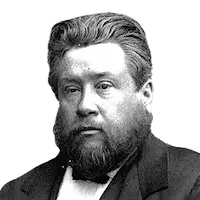
Charles Spurgeon
CharlesSpurgeon
And now, Lord, what wait I for?
"Do I wait to gather riches for another to squander? Do I wait to worry myself? Do I wait here to wa…

John Calvin
JohnCalvin
And now, O Lord, what do I wait for? David, having acknowledged that his heart had been too much under the influence of ardent and impetuo…
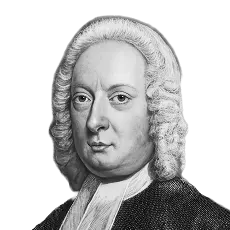
John Gill
JohnGill
And now, Lord, what wait I for ?
&c.] Look for, or expect, in this view of things? not long life, since the days of …
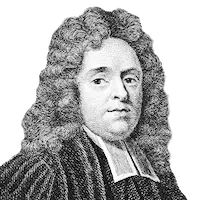
Matthew Henry
MatthewHenry
There is no solid satisfaction to be gained from the creature; but it is to be found in the Lord, and in communion with him. We should be driven to…

Thomas Aquinas
ThomasAquinas
-
The psalmist confessed that he suffered affliction for his sin; now here he promises caution in the future.
The title is for th…
Albert Barnes
AlbertBarnes