
Commentaries
10
But the evil which I would not (αλλα ο ου θελω κακον). Incorporation of the antecedent into the relative clause, "what evil I do n…

Albert Barnes
AlbertBarnes
For the good, etc. This is substantially a repetition of what is said in Romans 7:15. The repetition shows how full the mind of the apostl…

Charles Ellicott
CharlesEllicott
It is enthralled, and the will is powerless. What I do and what I will are opposite things. It is therefore sin that acts, and not I.

Charles Spurgeon
CharlesSpurgeon
For I know that in me (that is, in my flesh,) dwells no good thing: for to will is present with me; but how to perform that which is good I fin…

Expositor's Bible Commentary
Expositor'sBible Commentary
At the outset Paul wants it understood that he is not depreciating the law, for it is “spiritual” (GK 4461)—that is, emanating from God (vv.22, 25)…

John Calvin
JohnCalvin
The same view is to be taken of the expression that follows—that he did not the good which he desired, but, on the contrary, …
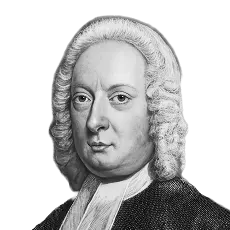
John Gill
JohnGill
For the good that I would, I do not
The apostle here repeats what he had delivered in (Romans 7:15[Refer…

Matthew Henry
MatthewHenry
The purer and holier the heart is, the more keenly it will perceive the sin that remains in it. The believer sees more of the beauty of holiness an…

Thomas Aquinas
ThomasAquinas
-
After showing that the law is neither evil nor the cause of an evil effect, the Apostle now proves that the law is good.
In this r…
A.T. Robertson
A.T.Robertson