
Finding Rest in Christ Through Humility
Augustine of Hippo Sermon
Finding Rest in Christ Through Humility
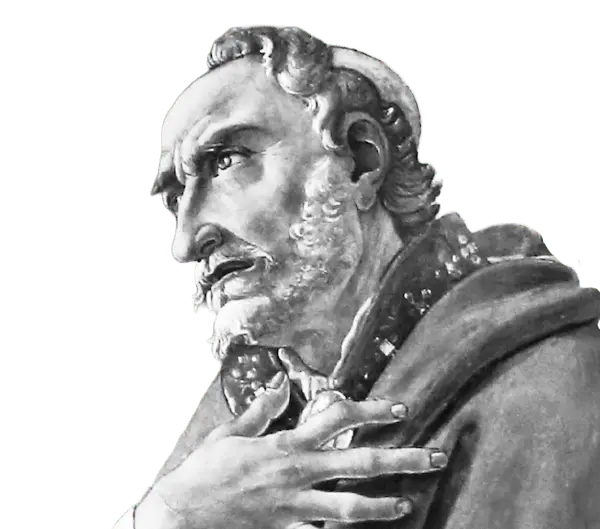
Augustine of Hippo Sermon
Finding Rest in Christ Through Humility
The Invitation to Rest
1. We heard in the Gospel that the Lord, rejoicing greatly in Spirit, said to God the Father, "I thank You, Father, Lord of heaven and earth, because You have hidden these things from the wise and prudent and have revealed them to babes. Yes, Father, for so it seemed good in Your sight. All things have been delivered to Me by My Father, and no one knows the Son except the Father. Nor does anyone know the Father except the Son, and the one to whom the Son wills to reveal Him" (Luke 10:21-22).
I have labor in speaking, you in hearing: let us both give ear to Him who goes on to say, "Come to Me, all you who labor" (Matthew 11:28). Why do we all labor except that we are mortal humans, frail creatures carrying vessels of clay that crowd and restrict one another? But if these vessels of flesh are restricted, let the open expanse of love be enlarged.
What does He mean by "Come to Me, all you who labor" but that you may labor no more? His promise is clear enough. Since He called those who were laboring, they might naturally ask why they were called: "and," He says, "I will give you rest."
Humility as the Foundation
2. "Take My yoke upon you and learn from Me" (Matthew 11:29)—not to raise the fabric of the world, not to create all things visible and invisible, not to work miracles in this created world and raise the dead, but "that I am gentle and lowly in heart."
Do you wish to be great? Begin from what is least. Are you planning to construct some mighty structure that reaches toward heaven? First think about the foundation of humility. The taller the building is to be, the deeper you must dig its foundation.
As a building rises higher, its foundation must first go down very low. You see, then, that a building is low before it is high, and the top is raised only after the foundation is laid in humility.
3. What is the highest point of the building that we are constructing? Where will the highest point of this building reach? I'll tell you plainly: it reaches even to the vision of God. You see how high and great a thing it is to see God. Whoever longs for this understands both what I say and what they hear.
The vision of God is promised to us—of the very God, the Supreme God. For this is good: to see Him who sees. Those who worship false gods see them easily, but they see gods "who have eyes and do not see" (Psalm 115:5). But to us is promised the vision of the living and seeing God.
We should eagerly desire to see that God of whom Scripture says, "He who planted the ear, shall He not hear? He who formed the eye, shall He not see?" (Psalm 94:9). Does He not hear, who has made for you the means by which you hear? And does He not see, who has created the means by which you see?
Therefore, in the preceding verses of this Psalm, He says, "Understand, you senseless among the people; and you fools, when will you be wise?" (Psalm 94:8). Many people commit evil deeds while thinking they are not seen by God. It's difficult for them to believe that He cannot see them, but they think He will not see them.
Few have such great impiety that the scripture is fulfilled in them: "The fool has said in his heart, 'There is no God'" (Psalm 14:1). This is the madness of only a few. For just as great piety belongs to few, so does great impiety.
But most people speak like this: "Is God really thinking about this? Does He know what I'm doing in my house? Does God care what I choose to do in my bedroom?" To such people God says: "Understand, you senseless among the people; and you fools, when will you be wise?"
Because you, as a human, find it difficult to know everything that happens in your house, and for all the actions and words of your servants to reach your ears, do you think that it's equally difficult for God to observe you—God, who didn't find it difficult to create you?
Doesn't He watch you with the very eye He made for you? You didn't exist, and He created you and gave you being. Doesn't He care for you now that you exist, when He "calls those things which do not exist as though they did"? (Romans 4:17).
Don't promise yourself this false security. Whether you want Him to or not, He sees you, and there's no place where you can hide from His eyes. "If you ascend into heaven, He is there; if you make your bed in hell, behold, He is there" (Psalm 139:8).
How hard you work, while unwilling to turn from evil deeds yet wishing not to be seen by God! Truly difficult labor! Daily you wish to do evil, yet you imagine you aren't seen? Listen to Scripture: "He who planted the ear, shall He not hear? He who formed the eye, shall He not see?" Where can you hide your evil deeds from God's eyes? If you won't turn from them, your labor is great indeed.
From Running Away to Running Toward
4. Hear Him who says, "Come to Me, all you who labor." You cannot end your labor by running away. Do you choose to run from Him rather than to Him? Find out where you can escape, and then run. But if you cannot escape from Him because He is everywhere present, run (it's quite near) to God, who is present where you stand.
Run! Even if you could rise above the heavens, He is there; if you descend into the depths, He is there. Whatever deserts of earth you might choose, there He is, who has said, "I fill heaven and earth" (Jeremiah 23:24).
If He fills heaven and earth, and there's no place you can flee from Him, stop this exhausting effort to escape and instead run to His presence—lest you experience His coming in judgment. Take courage from the hope that through righteous living you will see Him, even though in your evil living you are seen by Him.
In your evil living, you can be seen but cannot see. But by living righteously, you are both seen and will see. With how much more tender care will the One who crowns the worthy look upon you—the One who in His mercy saw you when you were unworthy, that He might call you to Himself!
Nathanael said to the Lord whom he did not yet know, "How do You know me?" The Lord said to him, "When you were under the fig tree, I saw you" (John 1:48). Christ saw you in your own shadow; will He not see you in His light?
What does "When you were under the fig tree, I saw you" mean? Remember the original sin of Adam, in whom we all die. When he first sinned, he made coverings of fig leaves (Genesis 3:7), which signify the desires of the flesh to which he was reduced by sinning.
In this condition we are born—born in sinful flesh, which only "the likeness of sinful flesh" can cure. Therefore "God sent His own Son in the likeness of sinful flesh" (Romans 8:3). He came in the flesh, but not as other people come. For the Virgin conceived Him not by desire but by faith. He came to the Virgin who existed before the Virgin. He chose her whom He created; He created her whom He had chosen. He brought fruitfulness to the Virgin but did not take away her purity.
He who came to you without the desire symbolized by the fig leaves "saw you when you were under the fig tree." Prepare yourself, then, to see Him in His glory—the One who in His mercy saw you in your sin. Because the top of this building is high, think of its foundation. What foundation? Do you ask? "Learn from Me, for I am gentle and lowly in heart" (Matthew 11:29).
Dig this foundation of lowliness deep within yourself, and you will attain the crowning height of love.