
Commentaries
11
In the way of righteousness (εν οδω δικαιοσυνης). In the path of righteousness. Compare the two ways in Mt 7:13,14 and "the way of…

Albert Barnes
AlbertBarnes
But what think ye? This was a way of speaking designed to direct them particularly to what He was saying, so that they might be self-convi…

Charles Ellicott
CharlesEllicott
In the way of righteousness — The term seems to be used in a semi-technical sense, expressing the aspect of righteousness that the…

Charles Spurgeon
CharlesSpurgeon
Those poor fallen women and degraded tax-gatherers practically said by their conduct, "We will not serve the Lord." Their past evil life had been a…

Church Fathers
ChurchFathers
St. Jerome: With this preface, the Lord brings forward a parable to convict them of their impiety and show them that the king…
Expositor's Bible Commentary
Expositor'sBible Commentary
This verse links the parable to the preceding story, where the importance of believing John has already been established (vv.23–27). John preached …

John Calvin
JohnCalvin
For John came. As John was a faithful servant of God, whatever he taught, Christ ascribes to God Himself. It might have been more…
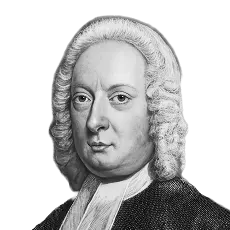
John Gill
JohnGill
For John came unto you in a way of righteousness
He had a commission from God; he was no impostor; the doctrine he t…
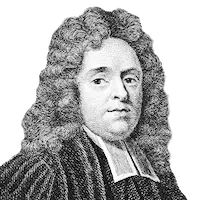
Matthew Henry
MatthewHenry
Parables that give reproof speak plainly to the offenders and judge them out of their own mouths. The parable of the two sons sent to work in the v…

Thomas Aquinas
ThomasAquinas
Here, they reprehend by questioning. And firstly, the questioning is related; and secondly, the refutation is related, where it is said,
A.T. Robertson
A.T.Robertson